If you are thinking about buying a luxury estate in Ponce-Davis, you are not shopping in a typical Miami neighborhood. You are looking at a small, largely built-out enclave where land, privacy, and parcel quality often matter as much as the home itself. Understanding that difference can help you make a smarter decision, avoid surprises, and focus on what truly drives value here. Let’s dive in.
Why Ponce-Davis Feels Different
Ponce-Davis is a small unincorporated enclave in Miami-Dade County of about 675 acres, or roughly 1.05 square miles. County materials describe it as generally bounded by SW 72nd Street, SW 57th Avenue, SW 88th Street, and SW 47th Avenue. It is surrounded on three sides by Coral Gables and on the fourth by South Miami.
That setting helps explain why Ponce-Davis feels tucked away while still being close to major destinations. It offers a quiet, residential character with strong access to nearby hubs in Coral Gables, South Miami, and the wider South Miami-Dade area. For many buyers, that combination is a major part of the appeal.
What Makes It an Estate Market
The biggest reason Ponce-Davis stands out is its land-use profile. Miami-Dade annexation materials describe High Pines/Ponce-Davis as about 95% single-family, with roughly 64% designated Estate Density Residential. The same county materials also note that the neighborhood is essentially built out, with only a few scattered vacant parcels remaining.
That matters because in a built-out estate market, land scarcity becomes a major part of value. You are often competing for privacy, usable grounds, and a hard-to-replicate setting, not just interior finishes. In other words, the lot is not a backdrop here. It is one of the main assets.
Estate Zoning Shapes Value
Miami-Dade zoning helps define what an estate property means in practical terms:
- EU-1 allows single-family estate use on 1 acre or more
- EU-1C applies to 2.5 acres or more
- EU-2 applies to 5 acres
The county also notes that zoning controls height, area, open space, and setbacks. For you as a buyer, that means the real questions often go beyond bedroom count.
You will want to understand:
- Parcel size
- Privacy and buffering
- Setbacks and buildable envelope
- Space for gates and long driveways
- Room for pools, guest areas, and outdoor amenities
- Overall site layout and usability
What Buyers Usually Pay For
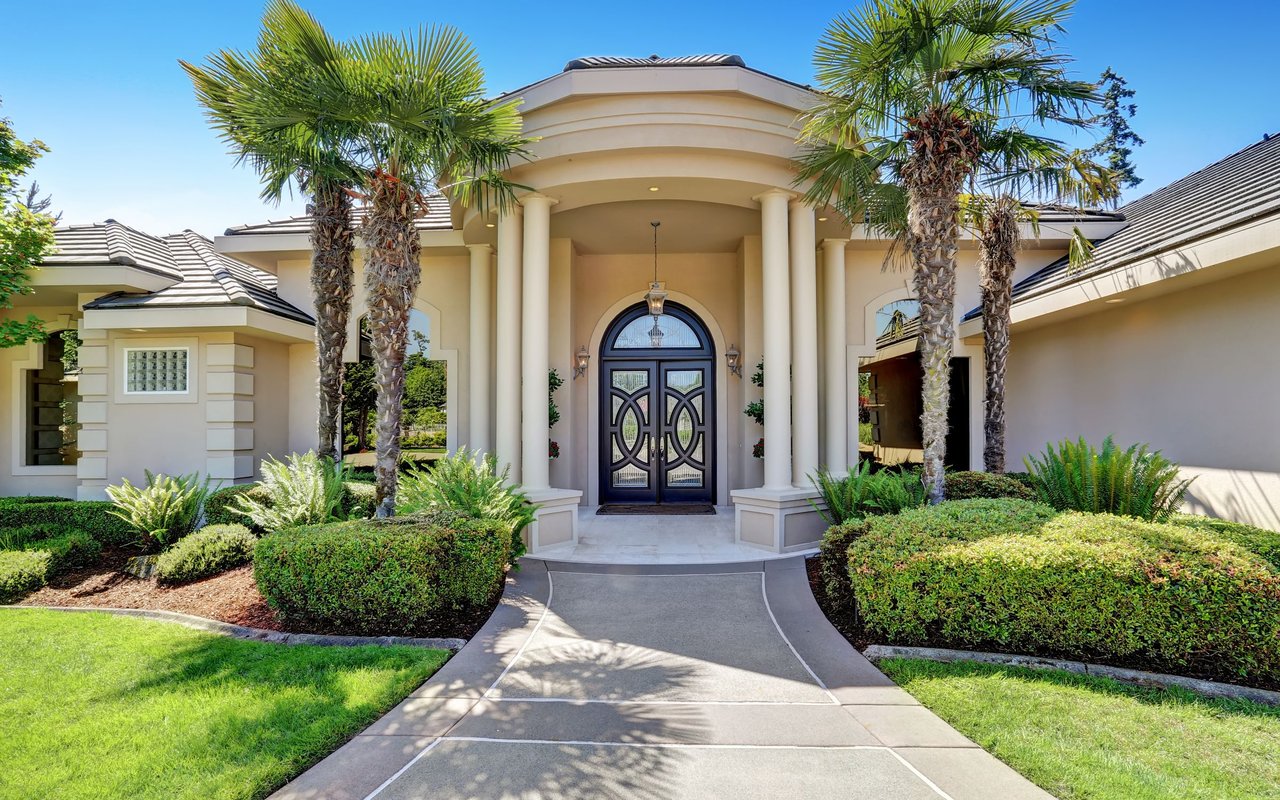
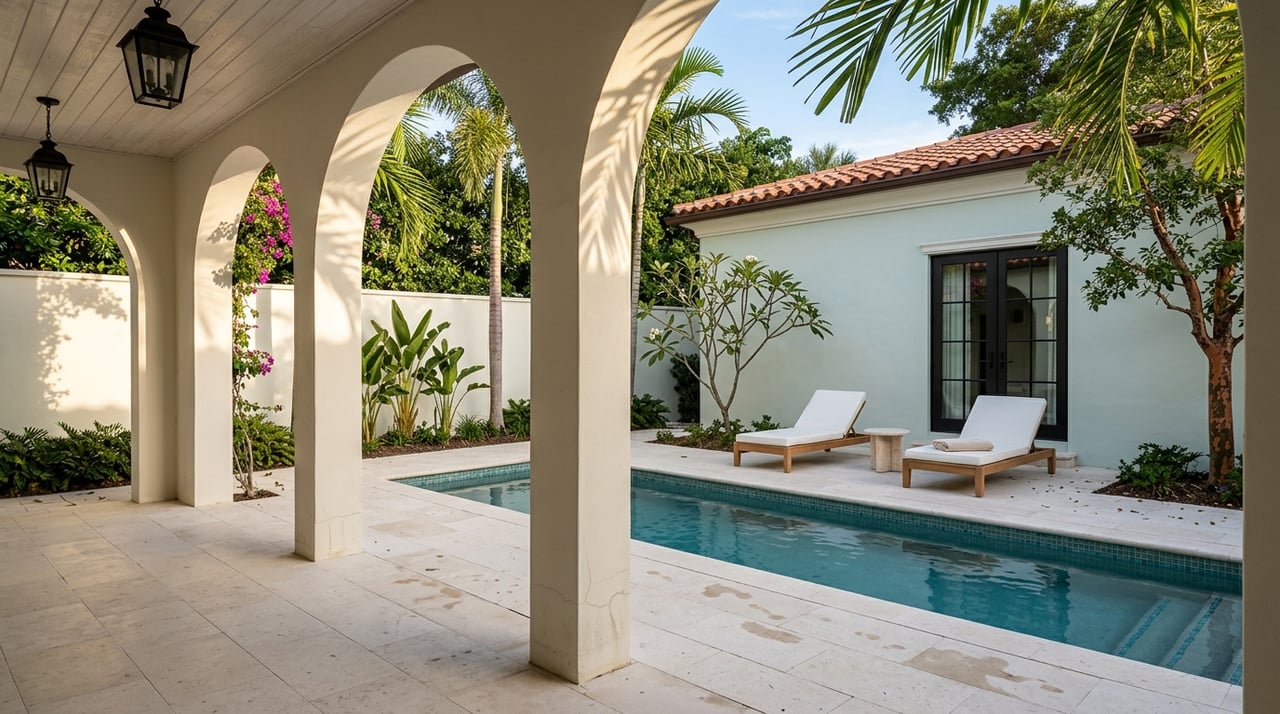
In Ponce-Davis, listing descriptions often highlight acreage, gated entry, cul-de-sac placement, mature landscaping, new construction, guest houses, tennis courts, and resort-style outdoor features. Those are not just marketing extras. They reflect what many buyers are actually paying a premium for in this niche.
A luxury estate purchase here is often about how the property lives on the land. A home with a strong site plan, privacy, and outdoor usability may hold more appeal than a larger house on a less compelling lot. That is one reason Ponce-Davis should be evaluated as a land-and-privacy market first.
What Pricing Signals Suggest
Broad luxury benchmarks help frame the market. MIAMI REALTORS reported that the Miami-Dade single-family luxury threshold rose to about $3.5 million in 2025, while the uber-luxury threshold reached about $10.4 million. Ponce-Davis sits well within that luxury range, and estate parcels can push certain properties into the uber-luxury tier.
Public listing examples also show how strongly lot size and new construction can shape pricing. In late spring 2026, a 0.43-acre land parcel in Ponce-Davis showed a $3.8 million sale price on Zillow. A 0.85-acre new-construction home was listed at $19.5 million, and a 1-acre new-build estate was reported at $22 million.
These examples are not a complete comp set, but they do offer useful signals. In Ponce-Davis, pricing can reflect scarcity, privacy, site quality, and the cost of reproducing the property, not just square footage. A smaller home on an exceptional parcel may compete very well against a larger home on a weaker site.
What To Do Before You Tour Seriously
Luxury purchases move more smoothly when you prepare early. Even if you expect to buy with cash or use portfolio financing, it helps to get your financing strategy clear from the beginning.
A preapproval letter shows that a lender is tentatively willing to lend up to a certain amount, though it is not a guaranteed loan offer. It can also matter in negotiations, since sellers often expect serious buyers to show proof of readiness. Keep in mind that preapproval letters typically expire in 30 to 60 days.
Build Your Buyer Team Early
Before you get too far into the process, make sure you have the right professionals lined up. In an estate purchase, timing matters, and specialized properties often require more coordination than a standard resale.
Your early team may include:
- Your real estate agent
- Your lender or wealth/financing contact
- An independent home inspector
- A survey provider
- A title and closing services provider
Getting these pieces in place early can help you act quickly when the right property comes up.
Why Inspections Matter More Here
On any home purchase, scheduling the inspection early is smart. On a luxury estate, it is especially important because larger properties often come with more systems, more structures, and more customized features.
An independent inspection gives you time to identify concerns and decide how they affect your interest in the property. Depending on the home, you may need closer review of items such as pools, guest spaces, outdoor kitchens, drainage, roofing, or older mechanical systems. The bigger and more customized the property, the more important careful review becomes.
Do Not Skip Survey and Title Review
A survey is not just a formality in an estate transaction. It shows the lot, house, structures, and improvements, which is critical when you are buying a property where setbacks, access, and site layout carry so much value.
Title review also deserves close attention. If you are financing, lender’s title insurance is usually required. Owner’s title insurance can help protect your equity, and title and other closing services can often be shopped separately.
You should also expect the lender to send the Closing Disclosure at least three business days before closing. That window gives you time to review terms and ask questions before funds are transferred.
Review Taxes and Carrying Costs Carefully
One of the most common mistakes buyers make is assuming the current tax bill will remain the same after closing. Miami-Dade’s Property Appraiser warns that a change in ownership can reset assessed value to full market value. That can significantly change your future tax bill.
You should also review non-ad valorem assessments, which may include charges for services such as solid waste, lighting, landscape, guard districts, or community development districts. These assessments can materially affect total carrying costs and can become a lien on the property.
Know Your Homestead Timing
If the home will be your primary residence, Florida homeowners may qualify for up to a $50,000 homestead exemption. Miami-Dade also notes that applications for a new home should be handled by March 1.
The county also provides portability rules for transferring accumulated Save Our Homes benefits to a new homestead property. If this purchase may become your primary residence, that review is worth doing early so you can plan accurately.
Flood Risk Should Be Part of Due Diligence
Because Ponce-Davis is inland, some buyers assume flood review is less urgent. That is a mistake. Miami-Dade County says its flood zone maps are based on FEMA flood hazard maps and are used in determining flood insurance rates.
The county states that flood insurance is mandatory in certain zones, including A, AE, AH, AO, and VE, and recommended even in moderate-to-low-risk areas. Buyers can confirm a property’s flood zone through the county’s map tool or hotline.
For improved real estate in unincorporated Miami-Dade, the county also provides a flood zone disclosure form. That is a useful reminder that flood and drainage review should happen before closing, not after. In a low-lying county like Miami-Dade, this step is essential.
Confirm Jurisdiction and Services
Ponce-Davis can feel closely tied to Coral Gables, but buyers should not assume Coral Gables rules or services apply to every property. Miami-Dade’s annexation materials show that a 2019 annexation request was denied, and Coral Gables later posted a 2023 Sunshine meeting notice discussing annexation of High Pines and Ponce-Davis.
The practical takeaway is simple: confirm the exact jurisdiction for the parcel you are buying. That can affect zoning, police and fire response, and special taxing structures. In a niche market like this, small assumptions can lead to big misunderstandings.
Lifestyle Access Adds to the Appeal
Part of what makes Ponce-Davis attractive is that it can feel private without feeling remote. Nearby amenities help support that balance.
Miami-Dade lists Matheson Hammock Park as a major county park with beaches, atoll pools, a marina, and recreation amenities. Coral Gables also notes that its free Ponce de Leon trolley route runs Monday through Saturday and connects Douglas Road Metrorail to Red Road via Ponce de Leon Boulevard, improving access to the University of Miami, medical offices, and other nearby destinations.
These details may not determine value on their own, but they help explain the lifestyle draw. You get an estate-style setting with practical access to parks, transit connections, and key parts of the Coral Gables and South Miami area.
How To Shop Smarter in Ponce-Davis
If you are serious about buying in Ponce-Davis, keep your focus on the factors that are hardest to change. Finishes can be updated over time. A rare lot, strong privacy, and a great site plan are much harder to recreate.
As you compare properties, it helps to look closely at:
- Acreage and parcel shape
- Privacy from neighboring homes
- Gated access and approach from the street
- Outdoor usability and drainage
- Potential flood-related costs
- New construction versus renovation tradeoffs
- Tax reset and ongoing carrying costs
- Exact jurisdiction and applicable services
When you evaluate the neighborhood through that lens, the market starts to make more sense. You are not just buying a house. You are buying a rare piece of land in a tightly held enclave.
If you are exploring Ponce-Davis and want thoughtful guidance on how to compare estate properties, evaluate tradeoffs, and navigate the buying process with confidence, Team Citron is here to help.
FAQs
What makes Ponce-Davis different from other luxury neighborhoods?
- Ponce-Davis is a small, largely built-out unincorporated enclave where land scarcity, privacy, and estate-style parcel quality often play a bigger role in value than square footage alone.
What price range should buyers expect in Ponce-Davis?
- Public examples and Miami-Dade luxury benchmarks suggest Ponce-Davis sits firmly in the luxury category, with pricing influenced heavily by lot size, new construction, privacy, and site quality.
What should buyers review before making an offer on a Ponce-Davis estate?
- You should review financing readiness, inspection timing, survey, title, flood zone status, tax implications, non-ad valorem assessments, and the exact jurisdiction for the property.
Why is flood due diligence important for Ponce-Davis homes?
- Miami-Dade says flood insurance is mandatory in certain flood zones and recommended even in moderate-to-low-risk areas, so buyers should confirm flood zone and drainage considerations before closing.
How can property taxes change after buying a luxury estate in Miami-Dade?
- Miami-Dade’s Property Appraiser warns that a change in ownership can reset assessed value to full market value, which may increase the tax bill after purchase.
What should buyers know about homestead exemption in Miami-Dade?
- If the property will be your primary residence, you may qualify for up to a $50,000 homestead exemption, and Miami-Dade says new-home applications should be handled by March 1.