If you are choosing between a condo and a house in Coral Gables, the answer is rarely just about square footage. In this market, you are often weighing space and privacy against location and managed convenience, and the price gap between those options is significant. The good news is that once you understand how Coral Gables housing stock, ownership costs, and local rules differ, the decision becomes much clearer. Let’s dive in.
Coral Gables offers two distinct lifestyles
Coral Gables has room for both traditional single-family living and a more urban condo lifestyle. According to the city’s 2020 ACS-based housing assessment, Coral Gables remains a house-heavy market, with 56.3% of housing units classified as single-family detached or attached, while 35.5% are multifamily buildings with 10 or more units. The same report found that 64.3% of occupied units were owner-occupied, which helps explain why many buyers here think long term when they purchase a home.
The setting also shapes your decision. The city’s planning materials describe single-family areas as low-density, yard-oriented, and defined by tree-lined streets and strong historic and architectural character. At the same time, downtown Coral Gables, Miracle Mile, the central business district, and the Shops at Merrick Park create a more walkable, urban core with shopping, dining, and daily conveniences nearby.
If you are drawn to a lock-and-leave lifestyle, location may carry more weight than lot size. The city’s free Coral Gables trolley system runs Monday through Saturday and connects with Metrorail and Metrobus, which can make the central corridor more practical for buyers who want easier mobility without relying on a car for every trip.
Price is the biggest separator
For many buyers, the condo-versus-house choice starts with budget. In the 2025 annual Coral Gables market reports from MIAMI Realtors, the median sale price for a single-family home was $2,250,000, compared with $565,250 for condos and townhomes. That is a difference of $1,684,750, which means the median house sold for about four times the median condo price.
That price gap is one of the clearest reasons condos stay in the conversation for buyers who want Coral Gables but do not want to stretch into the single-family price bracket. It also means a house purchase usually reflects a very intentional decision to pay more upfront for privacy, land, and a more independent ownership experience.
Interestingly, the pace of the two segments was nearly identical in the same report. Both single-family homes and condos had a median time to contract of 68 days. Inventory was also fairly close, though slightly looser on the condo side, with 5.9 months of supply for condos and townhomes versus 5.4 months for single-family homes.
Why a condo may make more sense
A condo can be a strong fit if you want a lower entry price and less hands-on exterior maintenance. Instead of personally managing the roof, exterior building systems, and many common-area responsibilities, you typically share those obligations through the condominium association. For some buyers, that setup makes ownership feel simpler and more predictable from a day-to-day lifestyle standpoint.
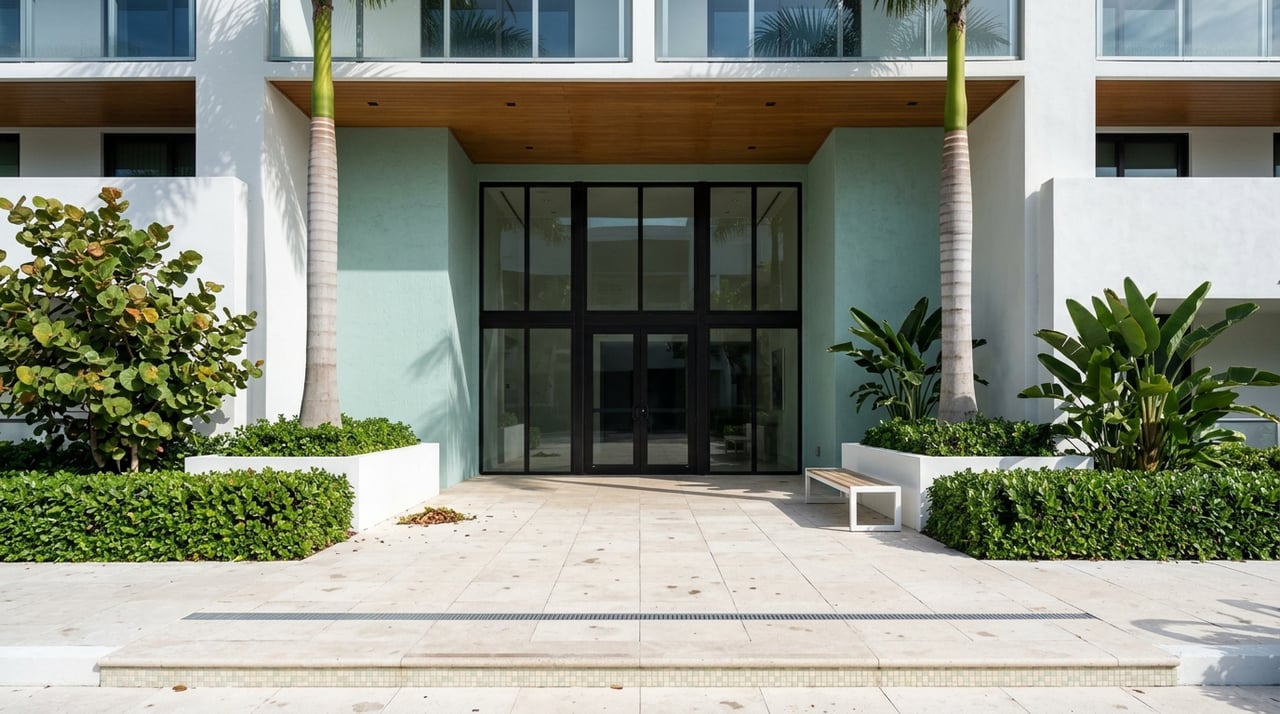
In Coral Gables, condos can also make sense if you want to be closer to the city’s urban core. Downtown Coral Gables, Miracle Mile, and nearby commercial areas offer a different living pattern than the city’s more traditional single-family streets. If your priority is convenience, proximity to restaurants and services, or easier access to transit connections, a condo may line up better with how you actually live.
That said, condo affordability should never be measured by purchase price alone. In Florida, condo ownership includes association-level budgeting, maintenance planning, and reserve obligations. The Florida Department of Business and Professional Regulation explains that a Structural Integrity Reserve Study is a budget planning tool for building components the association must maintain, and if reserves are not sufficient, the association may need a special assessment or financing.
This matters even more in Coral Gables because the city’s condo inventory skews older. MIAMI Realtors reported that 50% of condo units in Coral Gables are 30 years old or older, which can increase the importance of inspections, reserves, and repair planning. If you are buying a condo here, you should expect a deeper due-diligence process around the building itself, not just the unit.
Condo buyers should focus on the full monthly cost
Before you fall in love with a lower list price, make sure you understand the full ownership picture. Your monthly condo cost may include:
- Mortgage payment
- Property taxes
- Insurance
- HOA or condo dues
- Reserve contributions built into dues
- Possible special assessments
A condo may still be the right financial choice, but the right comparison is not condo price versus house price alone. It is total monthly carrying cost versus the lifestyle you want.
Condo due diligence questions to ask
If you are considering a Coral Gables condo, ask for clear answers to these questions early:
- What are the current monthly dues?
- What are the association’s reserve balances?
- Are there any pending or approved special assessments?
- Has the building completed its milestone inspection?
- Has the association completed its SIRS?
- Can you review those documents before moving forward?
According to DBPR, milestone inspection and SIRS records are part of the association’s official records and must be shared with owners and prospective purchasers.
Why a house may make more sense
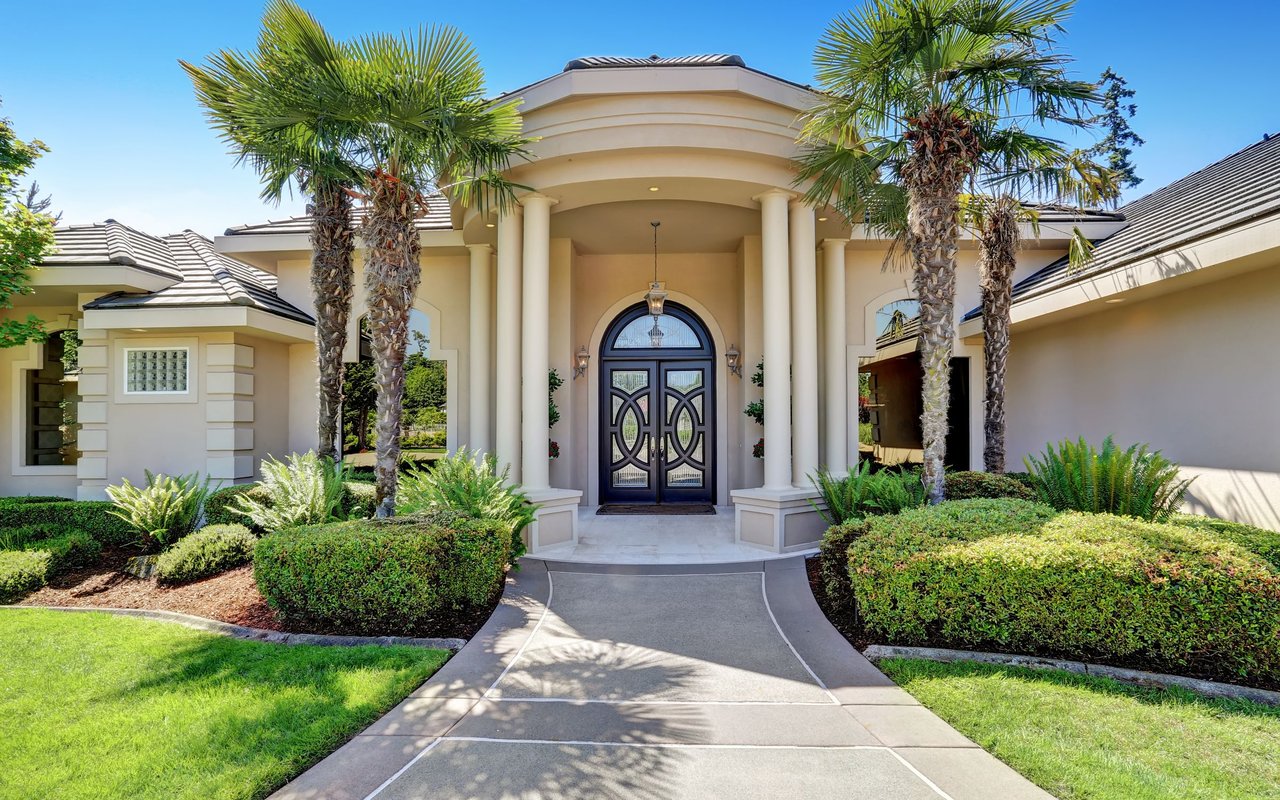
A house often appeals to buyers who want more room, more privacy, and more direct control over the property. In Coral Gables, that can mean a lower-density setting, yard space, and a streetscape shaped by mature trees and established architecture. If your lifestyle calls for outdoor space, more separation from neighbors, or flexibility in how you use your property, a house may feel like the better long-term fit.
The tradeoff is responsibility. With a house, you usually take on more of the maintenance burden yourself, from roof care to landscaping to long-term repair planning. That independence is part of the appeal for many buyers, but it also requires a bigger budget and a more hands-on ownership mindset.
There is another point worth knowing in Coral Gables specifically. A house here is not always the same as buying in a less regulated suburban setting. The city’s single-family design guidance notes that exterior design standards and Board of Architects review help preserve neighborhood character, so certain exterior changes may still be subject to review.
House buyers should think beyond the purchase price
Because houses in Coral Gables sit in a much higher price bracket, your budget conversation needs to be realistic from the start. The bigger upfront investment may be worthwhile if you highly value privacy, outdoor space, and a more independent ownership structure. Still, you will want to look at both purchase costs and ongoing maintenance when deciding if the fit is sustainable.
Ask yourself:
- How much do you value yard space and privacy?
- Are you comfortable managing repairs and exterior upkeep?
- Do you want more freedom than condo rules typically allow?
- Are you prepared for the higher entry price in this market?
If the answer is yes across the board, a house may offer the lifestyle you actually want, not just the one that looks good on paper.
House due diligence questions to ask
If you are leaning toward a house, make sure you understand local review requirements before you buy. Helpful questions include:
- Is the property in a historic district?
- Is it in a design-review area?
- Will future exterior changes require city or architectural review?
- What are the realistic maintenance costs over the next few years?
These are not reasons to avoid a house. They are simply part of buying smart in a city that places real value on preserving architectural character.
Condo or house: a quick Coral Gables comparison
| Factor | Condo | House |
|---|---|---|
| Median 2025 sale price | $565,250 | $2,250,000 |
| Ownership structure | Shared building governance through association | Direct ownership with more personal control |
| Maintenance | More managed at association level | More owner-managed |
| Privacy | Typically less private | Typically more private |
| Outdoor space | Usually limited or shared | Usually greater yard and open space |
| Rules and oversight | Association rules, inspections, reserve planning | Fewer shared-governance rules, but possible local architectural review |
| Best fit for | Buyers prioritizing lower entry price and convenience | Buyers prioritizing space, privacy, and independence |
How to decide based on your priorities
If you are still unsure, the best next step is to simplify the decision into three categories: budget, lifestyle, and ownership style.
Choose a condo if you value convenience
A condo may be the better choice if you want to keep your purchase price lower, stay closer to the central Coral Gables corridor, and avoid taking on every exterior maintenance task yourself. It can also be a good fit if you are comfortable reviewing association documents and factoring dues and possible assessments into your budget.
Choose a house if you value control
A house may be the better choice if your top priorities are privacy, yard space, and having more direct control over the property. It is often the right match for buyers who see their home as a long-term lifestyle decision and are prepared for the higher price point and maintenance responsibility that comes with it.
In Coral Gables, the choice is rarely abstract
This is what makes the Coral Gables decision so specific. You are not just choosing between two property types. You are choosing between two different ways of living in the same city, one centered more on managed convenience and location, the other more on space, privacy, and independence.
A smart next step before you buy
Before making an offer on either property type, compare your likely monthly carrying cost side by side. Include mortgage, taxes, insurance, maintenance, dues, and any likely near-term expenses. In Coral Gables, that exercise often reveals more than the list price ever could.
If you want help thinking through the tradeoffs in a way that fits your goals, lifestyle, and budget, Team Citron can help you compare Coral Gables condos and houses with clear local insight and a high-touch, family-first approach.
FAQs
Is a condo always cheaper than a house in Coral Gables?
- Usually at purchase, yes. The 2025 median sale price was $565,250 for condos and townhomes versus $2,250,000 for single-family homes, but the monthly cost can change once dues, reserves, and assessments are included.
Do Coral Gables houses have fewer rules than Coral Gables condos?
- Generally yes, but houses in Coral Gables can still be subject to architectural or historic-review requirements for exterior work.
Are older Coral Gables condos a bigger risk for buyers?
- They can require closer review because MIAMI Realtors reported that 50% of Coral Gables condo units are 30 years old or older, which makes inspections, reserves, and repair planning especially important.
What should condo buyers review before buying in Coral Gables?
- You should review monthly dues, reserve balances, any pending or approved assessments, and whether the building has completed required milestone inspection and SIRS documentation.
What matters most when deciding between a Coral Gables condo and house?
- The biggest factors are your budget, your preferred lifestyle, and whether you want managed convenience or more private, independent ownership.