What is it really like to live in Miami Shores? If you are picturing leafy streets, a calm residential pace, and easy access to the rest of Miami, you are on the right track. You want a home base that feels established and neighborly, without giving up quick connections to work, culture, and the water. This overview will walk you through the day-to-day feel, housing styles, local amenities, schools and services, transportation, and practical planning like flood risk and insurance. Let’s dive in.
Miami Shores snapshot
Miami Shores Village sits on the mainland near Biscayne Bay in northeastern Miami-Dade County. It has a compact, residential character with a small “village center” for daily errands and casual dining. Larger shopping, arts, and nightlife districts are a short drive away in places like Midtown, the Design District, and Aventura.
You will notice mature trees, porches, and a traditional grid of streets. Community programming and local services shape the rhythm of life. The village handles local services such as recreation, library programming, and local policing, while county departments oversee broader services like public schools and many utilities through Miami-Dade County.
Housing and architecture
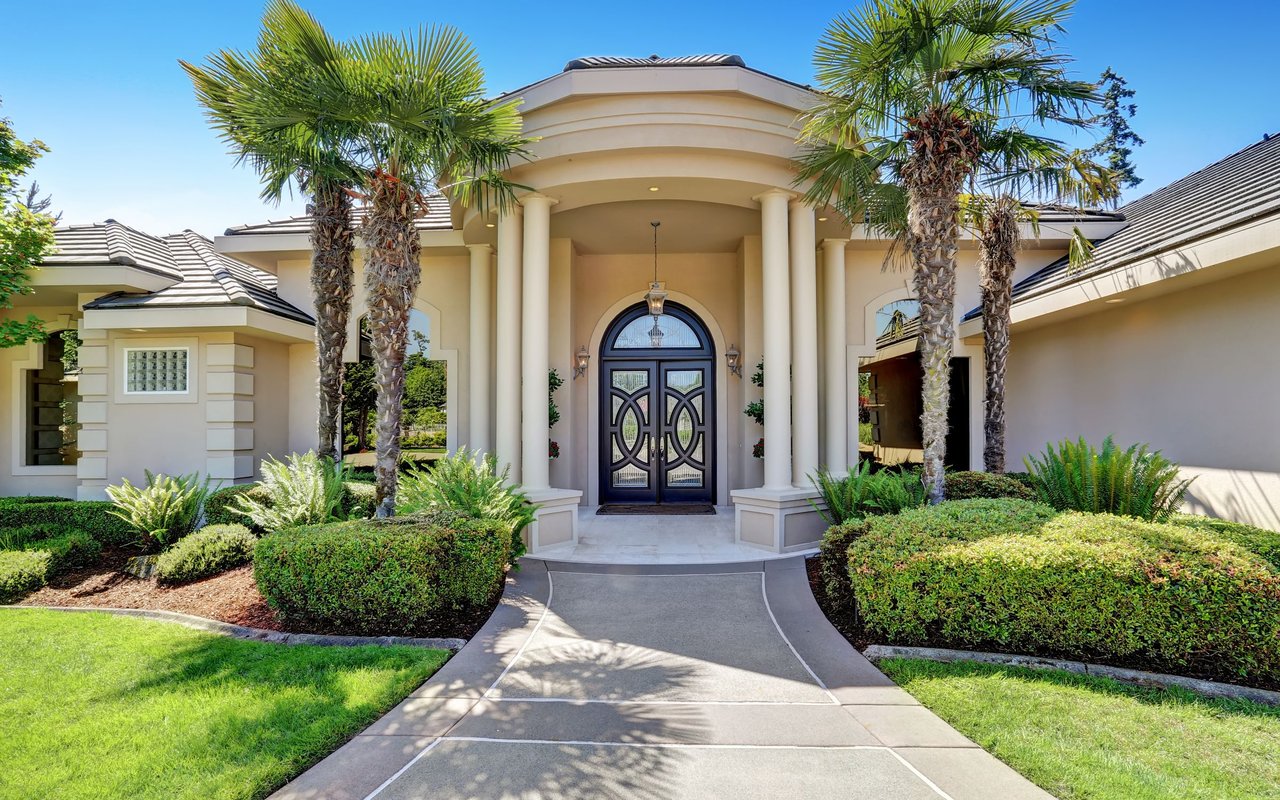
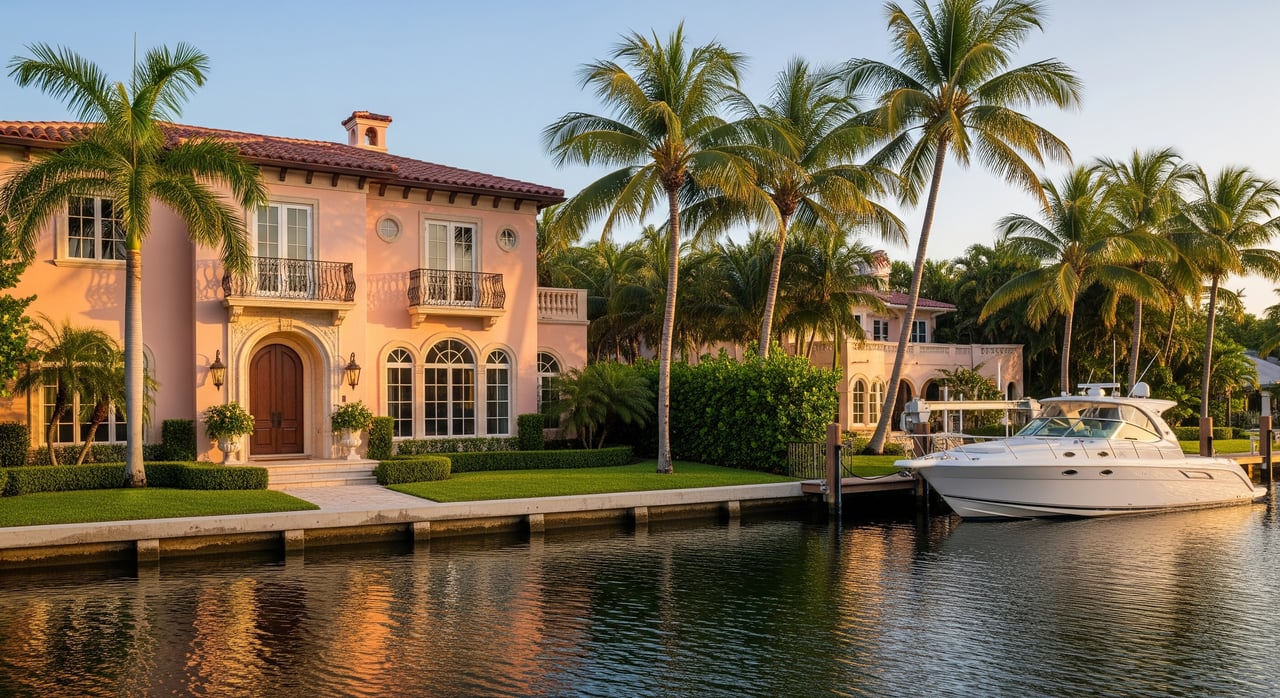
Housing in Miami Shores leans toward single-family homes on modest lots, with some duplexes and low-rise multifamily along major corridors like Biscayne Boulevard. Many homes date back to the 1920s and 1930s, so you will see Mediterranean Revival and Mission/Spanish Colonial influences alongside bungalow and Craftsman forms.
If you value historic charm, you will find original details like arches, terra-cotta accents, and hardwood floors in many properties. Renovated homes and newer infill bring impact-rated windows, updated roofs, and modern kitchens into the mix. Along the main arteries, small apartment buildings and mixed-use pockets add variety.
When you tour homes, look closely at age, permitted updates, and systems. In Miami-Dade, hurricane-resilient features and code-compliant upgrades are an important part of long-term value and peace of mind.
Everyday errands and local flavor
The village center offers convenience for coffee, quick bites, fitness, salons, and services geared toward residents. Expect independent eateries and casual spots rather than a tourist scene. For wider options, you can reach nearby dining hubs like Wynwood and the Design District within a short drive.
Green spaces and local parks are part of daily life. You will see neighbors walking dogs, kids at playgrounds, and weekend sports. Proximity to Biscayne Bay shapes the lifestyle, though public access varies block by block. Many residents mix neighborhood strolls and park time with short drives to waterfront recreation.
If you like a weekly rhythm of local events, check the village’s community calendar for seasonal happenings. These can include markets, holiday programming, and volunteer events that make it easy to plug in.
Schools and community services
Public schools serving Miami Shores are part of Miami-Dade County Public Schools. Boundaries, programs, and offerings can change, so you should always review current assignment maps and school information directly with the district and individual schools. There are also private and parochial options in the broader area.
Safety and policing are handled locally through the village’s police department with support from county resources. Because safety perceptions differ block by block, many buyers review official crime data, connect with community policing contacts, and visit at different times of day.
For county-managed services and property records, start with Miami-Dade County’s site. It is a useful hub for property appraiser info, permitting, and utility details.
Getting around and commute options
Biscayne Boulevard (U.S. 1) runs along the eastern edge of Miami Shores and connects you south toward Downtown Miami and north toward Aventura. I-95 sits to the west for regional travel. Drive times vary widely with traffic, so sample your typical route at weekday peak and off-peak hours before you commit to a location.
Public transit is bus-based in this part of the county. You can review routes and schedules through Miami-Dade Transit. If you rely on rail, plan on driving or transferring to reach regional options like Tri-Rail or Brightline stations.
Walkability is neighborhood-scaled. Many streets are pleasant for daily walks, and the village center makes short trips easy if you live nearby. Biking can work for local errands; be sure to check current bike lane coverage and ride conditions on county maps.
Climate planning, flood risk, and insurance
Miami Shores sits in a low-elevation coastal area. Flood risk is a practical part of homeownership here. Before you make an offer, check the FEMA designation for your address through the FEMA Flood Map Service Center. This helps you understand whether flood insurance will be required by a lender and what premiums may look like.
Hurricane readiness also matters. In Miami-Dade, newer homes and properly permitted renovations often include impact-rated windows, roof straps, and other storm resilience features. When evaluating older homes, review permits and ask for documentation on roof age, window ratings, and mechanical systems.
Insurance and property taxes are meaningful line items in your budget. Rates vary by property specifics, elevation, and coverage choices. Get quotes early in your process and confirm tax estimates with county records. For broad county context and links to property records, use Miami-Dade County.
Is Miami Shores a match for you?
You might be a good fit if you want a quieter residential base with quick access to Miami’s cultural and employment centers. The housing stock favors single-family homes with character, parks and local programming set an easy rhythm, and bigger-city amenities are close by when you want them.
If your wish list includes beachfront living, a high-rise skyline view, or nightlife within a short walk from home, you may want to look at nearby districts that specialize in those experiences. If you rely on rail transit for daily commuting, factor in a short drive or bus transfer to stations.
Questions to guide your search
- How important is walking to coffee, parks, and daily errands from your front door?
- Do you prefer historic-home charm or low-maintenance newer construction?
- What is your typical commute, and at what times of day will you travel?
- Are flood zones and potential insurance costs within your budget?
- Do current school assignments and programs meet your needs?
- Are you ready for the upkeep that can come with older homes, or do you want turnkey?
How Team Citron supports your move
Choosing the right street, home style, and budget fit in Miami Shores takes on-the-ground insight. You get a boutique, family-first experience with Team Citron, plus modern marketing and Compass tools when you buy or sell. From neighborhood tours and school and amenity orientation to offer strategy, staging, and launch, we personalize each step so you feel confident from first showing to closing.
If you are curious about Miami Shores or want to compare it with nearby neighborhoods, we would love to help you map options, budget for insurance and taxes, and time the market. Ready to start? Connect with Team Citron for a friendly, expert conversation.
FAQs
What is everyday life like in Miami Shores?
- You can expect a calm residential pace, a small village center for daily errands and dining, tree-lined streets, and short drives to larger retail and entertainment areas.
Does Miami Shores have public transit within the village?
- Transit is primarily bus-based; review routes and frequencies on Miami-Dade Transit to see how service aligns with your commute.
How do I check flood risk for a Miami Shores home?
- Look up the property’s FEMA flood zone at the FEMA Flood Map Service Center and get insurance quotes early to understand costs.
Are there condos or apartments in Miami Shores?
- Yes, most housing is single-family, but you will find apartments and some multifamily buildings along main corridors like Biscayne Boulevard.
Where can I find official info on services and permits?
- Start with Miami-Dade County for county-level services, property records, and permitting, and consult the village for local programs and events.