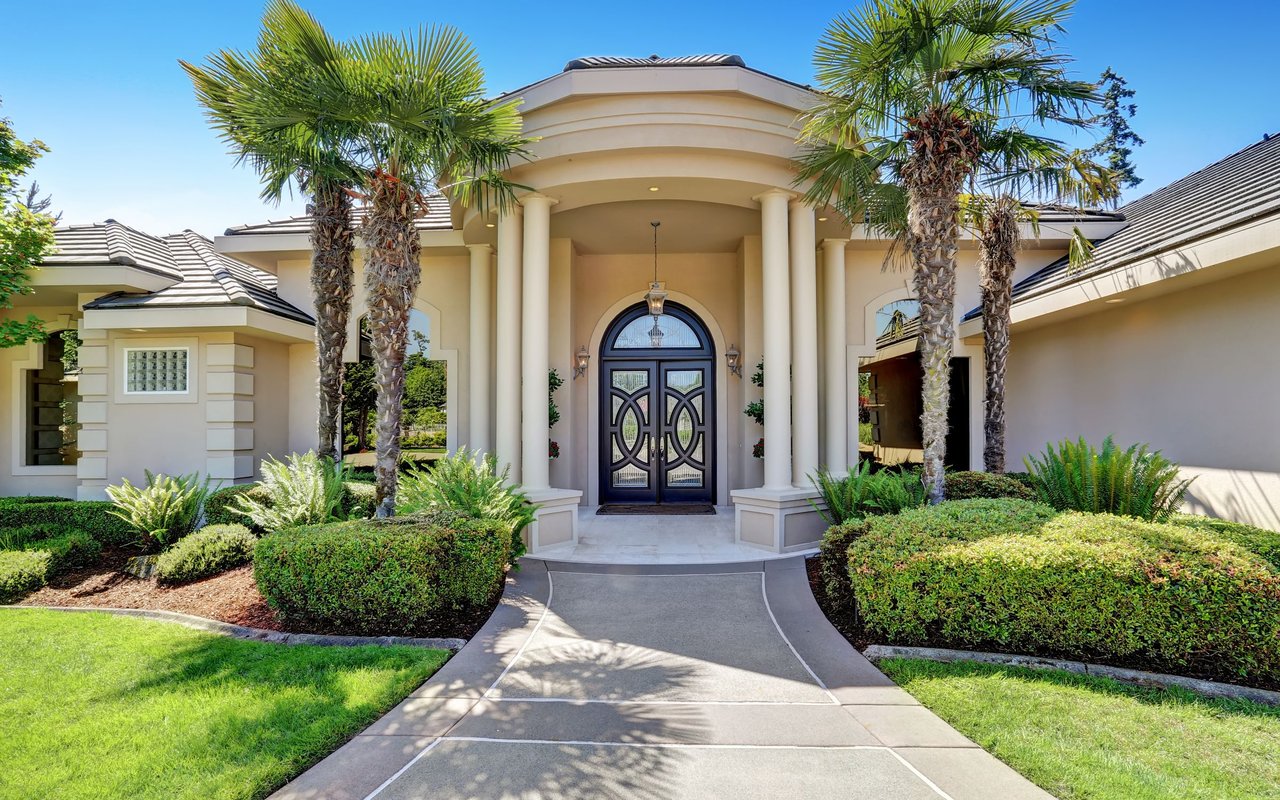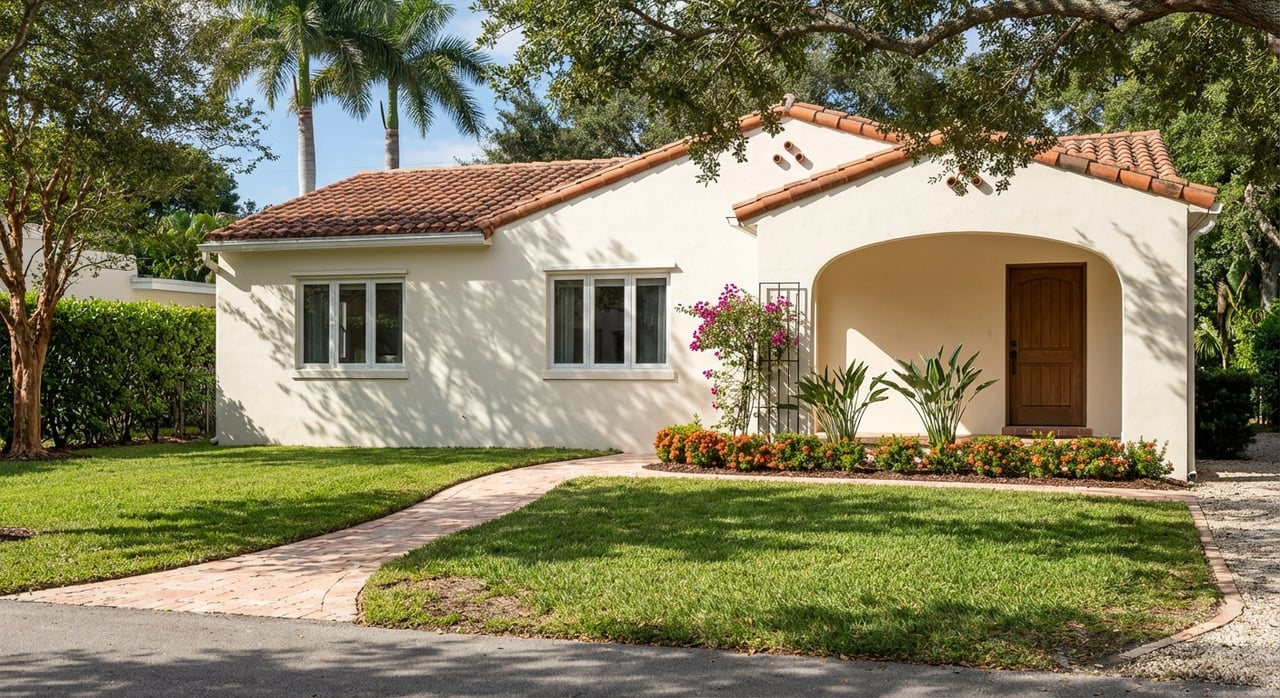
Torn between the quiet, leafy streets of High Pines and the vibrant city energy of Coral Gables? You are not alone. Many buyers in 33143 want the best of both worlds: space for everyday life and easy access to shops, restaurants, and transit. In this guide, you will get a clear, side-by-side look at how each area feels, what housing and lots look like, how commutes work, where families often focus for schools, and what to expect if you plan to remodel. Let’s dive in.
Quick snapshots
High Pines at a glance
High Pines is an unincorporated enclave within Miami-Dade County bordered by Coral Gables and South Miami. It is known for tree-lined streets and a strong single-family home identity. Annexation has been discussed in recent years, but High Pines remains under county jurisdiction, not the City of Coral Gables. You can read more about that history in the High Pines overview.
Coral Gables at a glance
Coral Gables is an incorporated city with a 1920s planned layout and Mediterranean-Revival character. The city has its own planning and historic-resources departments and a lively downtown anchored by Miracle Mile and nearby retail districts. Those city-level services play a big role in how the area protects its look and feel.
Housing, lots, and price context
If you are scanning listings, you will notice a simple pattern. Coral Gables is generally more expensive on average, while High Pines tends to deliver larger lots for the money. The markets still overlap. You can find lower-priced condos and townhomes in Coral Gables near the core and luxury rebuilds on sizable lots in High Pines that reach into multi-million territory.
Lot size is a key practical difference. Many High Pines properties sit on larger footprints, often around 10,000 to 12,500 square feet for bigger parcels. That extra land makes it easier to add a pool, create outdoor living zones, or plan an expansion. In Coral Gables, you will find some estate-scale lots in select neighborhoods, but many parcels closer to the downtown grid are smaller and more urban in feel.
For exact pricing, use current MLS snapshots for the date you are shopping. Because data providers define markets differently, always note the source and timing when you compare numbers.
Everyday life and walkability
If you prefer to run errands on foot, Coral Gables’ core has the edge. Walk Score snapshots for the downtown area show a “Very Walkable” environment, with dining, shopping, and services clustered within a short stroll. See a representative view of the Coral Gables core on Walk Score.
High Pines feels quieter by design. Interior streets are residential and shaded, with daily errands typically a quick drive away. That said, the neighborhood sits close to Sunset Drive and the Shops at Sunset Place area in adjacent South Miami, so grabbing groceries, coffee, or catching a movie is still easy. Coral Gables’ Miracle Mile is also a short drive for dining and culture.
For parks and green space, you have attractive options in both directions. High Pines’ canopy and private yards are part of the appeal, and larger destinations like Fairchild and Matheson Hammock are a short drive from 33143.
Commutes and transit
If reaching employment centers quickly matters to you, both areas perform well. US-1, Red Road, and Sunset Drive provide multiple routes into Downtown Miami and to Miami International Airport. Drive times are short in off-peak hours and variable during rush hour. The best way to compare is to test your door-to-door route at your normal commute time.
For rail access, you will commonly use the South Miami and Douglas Road stations on Miami-Dade Metrorail. Douglas Road serves the Coral Gables and Coconut Grove corridor and connects to downtown via Metrorail and Metromover transfers. Review station details and connections on the Douglas Road Station page before you plan a transit commute.
Schools and family considerations
Families in 33143 often explore a mix of zoned public schools and magnet programs. Many local buyers look at Sunset Elementary, which offers an International Studies magnet and serves addresses in this area. You can confirm program details on this Sunset Elementary profile.
For middle and high school, options may include Ponce de Leon Middle with IB and magnet pathways, and area high schools such as Coral Gables or South Miami. Attendance zones and magnet acceptances can change, so always verify your exact address with the Miami-Dade County Public Schools lookup and check the current magnet application windows before making a decision.
Remodeling, design review, and permits
Your address will affect how easy it is to remodel or rebuild. Coral Gables is an incorporated city with defined development review and historic-resources processes. Exterior changes, demolitions, and new construction can require specific approvals that shape timeline and design choices. Get familiar with the city’s Development Review process and the Historic Resources department if you are considering substantial work.
High Pines, on the other hand, is under Miami-Dade County jurisdiction. You will still follow state and county building codes, flood regulations, and permitting, but you will not encounter Coral Gables’ city-level preservation or architectural review for a High Pines address. If you value a faster path to a teardown and rebuild, or a more flexible exterior renovation, this difference can be meaningful.
Who each area tends to fit
High Pines: You want space and privacy. Larger lots, quiet streets, and room for a pool or a play yard are top priorities. You are comfortable driving a few minutes for errands and you like the idea of a neighborhood that feels residential from the moment you turn in.
Coral Gables: You want a walkable city lifestyle. Being close to Miracle Mile, cafes, and cultural institutions matters to you, and you appreciate the city’s cohesive architecture. You may choose a single-family home in a historic district or a luxury condo or townhome closer to the core.
A quick note on South Miami: If your daily life revolves around Sunset Drive and the Shops at Sunset Place, you might find that living in High Pines still puts you within a few blocks of your go-to spots while keeping a quieter, residential feel at home.
Decision checklist
Use this quick checklist to narrow your search:
- Yard and lot size: Do you need a large backyard, a pool, or future expansion space? High Pines lots commonly run larger, which supports more outdoor living.
- Street feel and traffic: Do you prefer quiet, tree-lined residential blocks or a lively, walkable downtown vibe near restaurants and shops?
- Walkability to daily needs: Can you comfortably walk to groceries, coffee, and services, or are you fine with a short drive? The Coral Gables core scores higher on walkability. See a representative Walk Score snapshot.
- Schools and programs: Which public attendance zones or magnet programs matter for your family? Verify address-specific assignment and application windows with the district.
- Renovation timeline: Will you be remodeling soon? Coral Gables has city-level design review and historic oversight, which adds structure and timelines. High Pines operates under county permitting without Coral Gables’ city preservation rules.
- Commute and transit: Map your peak-hour drive and test a Metrorail option from South Miami or Douglas Road Station to see how each address compares.
How to decide with confidence
If you value yard space and a low-key residential setting, you will likely lean toward High Pines. If you want a walkable lifestyle, a distinct downtown, and the structure that comes with a city’s planning framework, Coral Gables may be the right fit. Most buyers fall in love with one rhythm or the other once they tour a few streets at the right time of day.
A thoughtful plan will save you time. Start by seeing three homes in each area across one afternoon so you can feel the shift from quiet interior blocks to the energy of Miracle Mile. Then compare commute times during your real rush hour, confirm the school pathway for your exact address, and review any remodel scope with the correct authority. If you are weighing a rebuild or exterior changes, read Coral Gables’ Development Review process and the Historic Resources guidelines, or note that a High Pines address follows county codes without the city’s preservation layer.
Ready to see how each lifestyle fits your day-to-day? Reach out to Team Citron for a curated tour of homes in both areas, neighborhood-by-neighborhood guidance, and a plan tailored to your family’s goals.
FAQs
Is High Pines part of Coral Gables?
- No. High Pines is an unincorporated area of Miami-Dade County, not within Coral Gables city limits. Annexation has been discussed in the past, but it remains county jurisdiction. See the High Pines overview.
Which area has bigger yards in 33143?
- High Pines typically offers larger lots, often around 10,000 to 12,500 square feet on bigger parcels. Coral Gables has estate-scale lots in select pockets, but many parcels near the core are smaller.
Which is more walkable for errands?
- Coral Gables’ downtown core is more walkable, with many errands possible on foot. High Pines’ quiet interior streets usually require a short drive to Sunset Drive or Miracle Mile. See a representative Walk Score view.
How do commutes and transit compare?
- Both areas have quick access to US-1 and nearby arterials. For rail, residents use South Miami and Douglas Road stations on Metrorail, which connect to downtown via transfers. Review the Douglas Road Station details as a starting point.
What should I know about remodeling rules?
- Coral Gables uses defined development review and historic-resources processes that can shape timelines and design choices. High Pines follows county codes without Coral Gables’ city-level preservation layer. Start with the city’s Development Review and Historic Resources pages if your address is inside Coral Gables.
Are there strong public school options nearby?
- The area includes public and magnet options such as Sunset Elementary’s International Studies program and IB pathways at Ponce de Leon Middle. Always verify attendance zones and magnet timelines with Miami-Dade County Public Schools and review this Sunset Elementary profile for context.