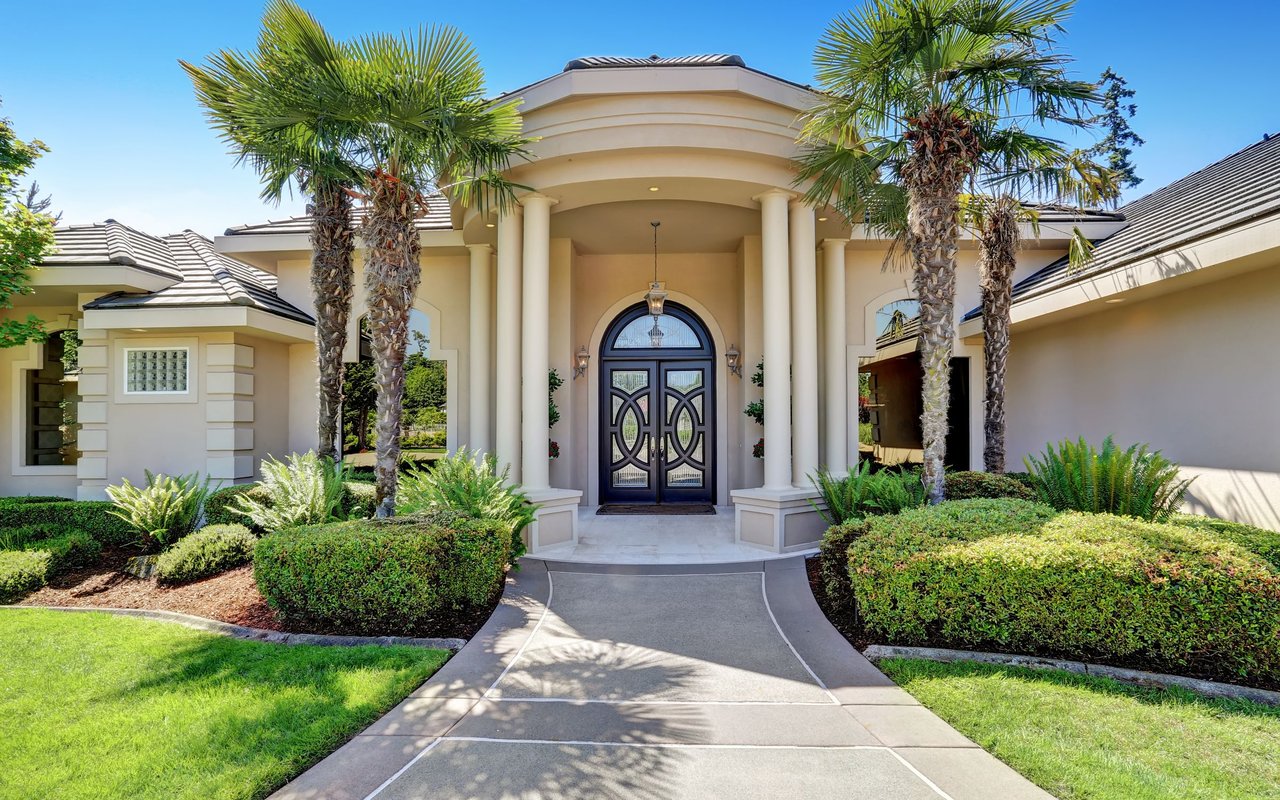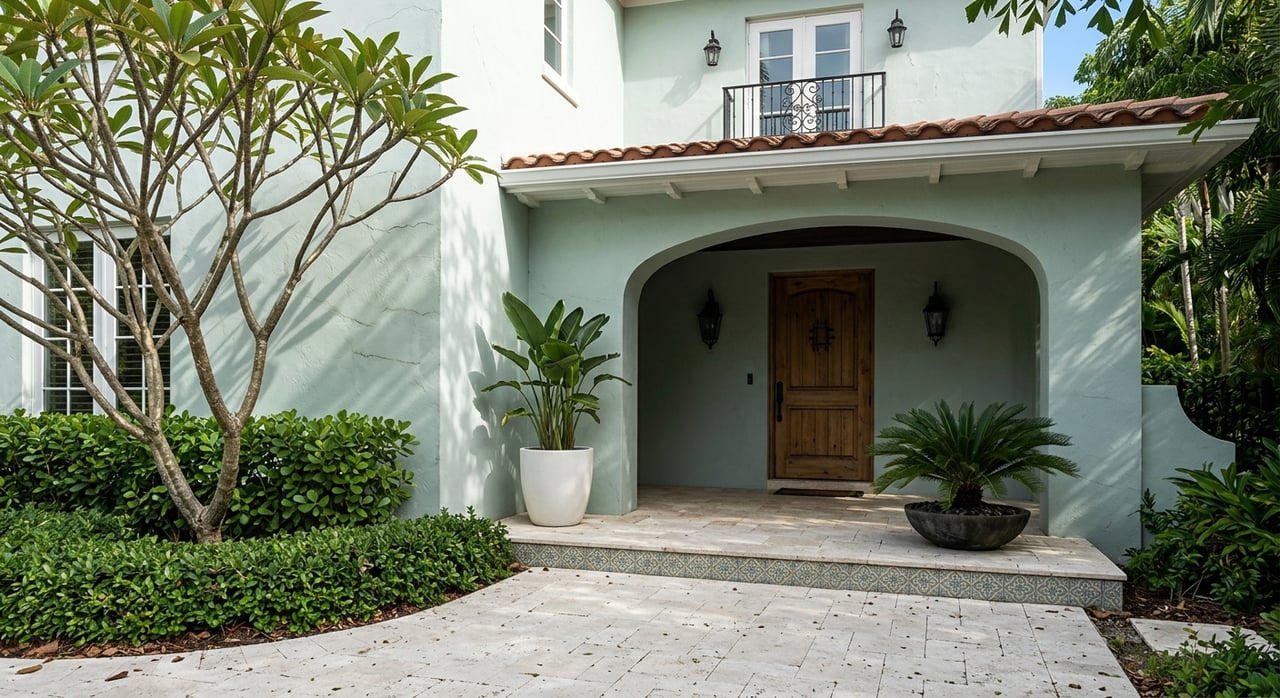
What is your Coconut Grove home really worth in today’s market? If you have been watching headlines, you have probably seen big price numbers, but those broad stats only tell part of the story. In Coconut Grove, value can shift quickly based on your street, your lot, your home’s architecture, and how your property compares to the most recent nearby sales. This guide will help you understand what drives value in the Grove and why a hyper-local pricing approach matters before you sell. Let’s dive in.
Coconut Grove Is Not One Price Point
Coconut Grove is one of Miami’s premium housing markets, but it is not a single, uniform market. According to Realtor.com’s Coconut Grove market overview, the median home price was $2.5 million in February 2026, with about 357 active listings, a median price per square foot near $1.1K, and a median 78 days on market.
At the same time, that same source shows big price differences within the neighborhood. Its reported median home prices range from about $1,948,500 in Grove Center to $725,000 in Bird Grove East and $649,500 in Sailboat Bay. That spread is a good reminder that your home’s value depends far more on micro-location than on a single headline number.
Broad County Averages Can Mislead
It can be tempting to compare your property to Miami-Dade as a whole, but that usually creates the wrong benchmark. MIAMI Realtors reported a February 2026 median sale price of $685,000 for Miami-Dade single-family homes, with 6.2 months of supply, which it characterized as a balanced market.
Coconut Grove sits in a very different price tier. When you are selling in a market where many homes trade in the low-to-mid $2 million range, smaller differences in lot size, condition, privacy, and access can have a much larger effect on pricing. That is why countywide averages are useful for context, but not for setting the right list price.
Recent Market Pace Matters Too
Home value is not just about price. It is also about timing and buyer behavior. Coconut Grove remains expensive, but current data points to a market that is moving more slowly than a fast, multiple-offer environment.
Realtor.com reports 78 median days on market, while Redfin reports about 105 days on market in its own tracking window, as summarized in the research report. The numbers are not directly interchangeable, but together they suggest that sellers benefit from realistic pricing, strong presentation, and a strategy built around current demand instead of last year’s assumptions.
Micro-Location Shapes Value
In Coconut Grove, where your home sits within the neighborhood can significantly affect what buyers are willing to pay. Homes with easier access to the village, parks, retail, dining, or transit may appeal differently than homes in quieter interior pockets.
The City of Miami’s Coconut Grove trolley information shows service to the historic neighborhood, parks, shopping areas, Miami City Hall, Coconut Grove Metrorail Station, Douglas Road Metrorail Station, and Grove Central. That helps explain why convenience, connectivity, and walkability often play a meaningful role when buyers compare one Grove property to another.
Waterfront and Village Access Can Influence Price
Access to the water is part of Coconut Grove’s identity, and it can also influence how buyers perceive value. The City of Miami’s Dinner Key Marina page describes a 587-slip marina next to City Hall and notes that it is a short walk to the heart of Coconut Grove village and CocoWalk.
In practical terms, proximity to the marina, bayfront areas, and the village can affect demand. A home that places buyers closer to these lifestyle amenities may compete in a different pricing lane than a similar-sized home located farther inland. That does not mean every nearby property commands a premium, but it does mean location within the Grove deserves close attention.
Architecture Carries Real Weight
In many neighborhoods, square footage dominates the pricing conversation. In Coconut Grove, architecture and character often matter just as much. The City of Miami Historic Preservation Division notes that Miami’s historic housing stock includes Mediterranean Revival villas, Art Deco homes, Craftsman bungalows, and Bahamian cottages, with Bahamian or Conch houses specifically found in the Charles Avenue area of Coconut Grove.
That range of styles helps explain why two homes with similar bedroom counts can command very different prices. Buyers in the Grove often respond to design, original details, and the overall feel of the home, not just the raw size on paper.
Age and Renovation Quality Matter
Older homes can be especially valuable in Coconut Grove, but only when their condition and updates support the property’s character. The Barnacle Historic State Park history page notes that the park contains the oldest house in Miami-Dade County still standing in its original location, a reminder of how deeply history is woven into the neighborhood.
If your home has been renovated, buyers will usually look beyond whether the finishes are simply new. In the Grove, quality often means the work feels appropriate for the architecture, respects the lot, and preserves the home’s sense of place. On designated historic properties, exterior changes may also be shaped by City of Miami historic preservation rules and guidelines, which adds another layer to how value is perceived.
Lot Size and Outdoor Living Count
Outdoor space is not just a bonus feature in Coconut Grove. It is part of the neighborhood’s planning identity and buyer appeal. The City of Miami’s Neighborhood Conservation District materials discuss preserving tree canopy, adding more trees, encouraging porches and outdoor spaces, and maintaining different minimum lot sizes, including larger coastal lots.
That matters when buyers compare homes. A property with a more private yard, mature landscaping, better tree canopy, or stronger indoor-outdoor flow may stand apart from another home with similar interior square footage. In the Grove, usable outdoor living is often part of the value equation, not an afterthought.
Why Comparable Sales Matter Most
If you want to know what your Coconut Grove home is really worth, the most reliable answer comes from the most recent nearby closed sales that truly match your property. That means looking at homes with similar:
- Micro-location within Coconut Grove
- Lot size and outdoor space
- Architectural style and age
- Renovation quality and condition
- Access to the village, transit, parks, or waterfront amenities
This is especially important in a market where the research report points to a 95% sale-to-list ratio and a slower luxury pace. Buyers are still active, but they are also selective. Pricing based on broad averages or outdated comps can leave money on the table or cause a home to sit longer than necessary.
What Sellers Should Do Next
If you are thinking about selling, start with a pricing strategy that reflects today’s Coconut Grove market, not a general Miami headline. A clear valuation should account for your exact location, your lot, your home’s architecture, your updates, and the most relevant recent sales nearby.
That kind of analysis gives you a more realistic picture of both price and timing. It also helps you make smarter decisions about prep work, marketing, and launch strategy before your home goes live.
When you are ready for a more precise answer, a personalized market analysis is the next step. Team Citron offers the kind of high-touch, local guidance that helps you understand your home’s position in the market and prepare for a thoughtful, well-planned sale.
FAQs
What affects home value most in Coconut Grove?
- The biggest factors include micro-location, lot size, outdoor living space, architectural style, condition, renovation quality, and nearby comparable sales.
How does Coconut Grove compare to the rest of Miami-Dade?
- Coconut Grove operates in a much higher price tier. The research report notes a Grove median home price around $2.5 million on Realtor.com versus a Miami-Dade single-family median sale price of $685,000.
Why do two similar Coconut Grove homes have different values?
- Even if homes have similar square footage, value can vary based on street setting, access to the village or waterfront, lot quality, privacy, architecture, and the quality of updates.
Do historic details matter for Coconut Grove home value?
- Yes. In Coconut Grove, original character, architectural style, and period-appropriate improvements can influence buyer demand and perceived value.
Should I use online estimates to price my Coconut Grove home?
- Online estimates can offer a rough starting point, but they usually miss the hyper-local factors that matter most in Coconut Grove. A personalized market analysis is typically more useful.
When should I get a home valuation in Coconut Grove?
- You should request one as soon as you begin considering a sale, especially in a market where pricing, timing, and presentation can all affect your outcome.