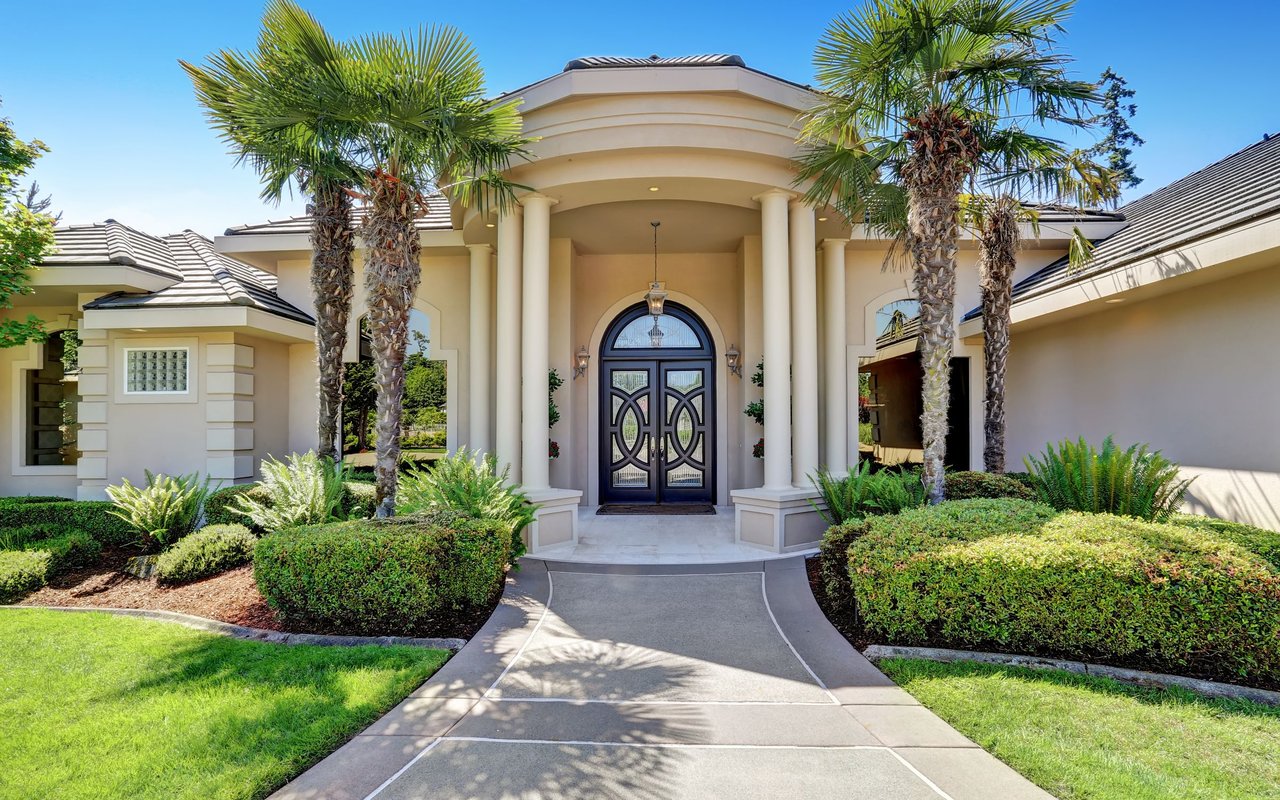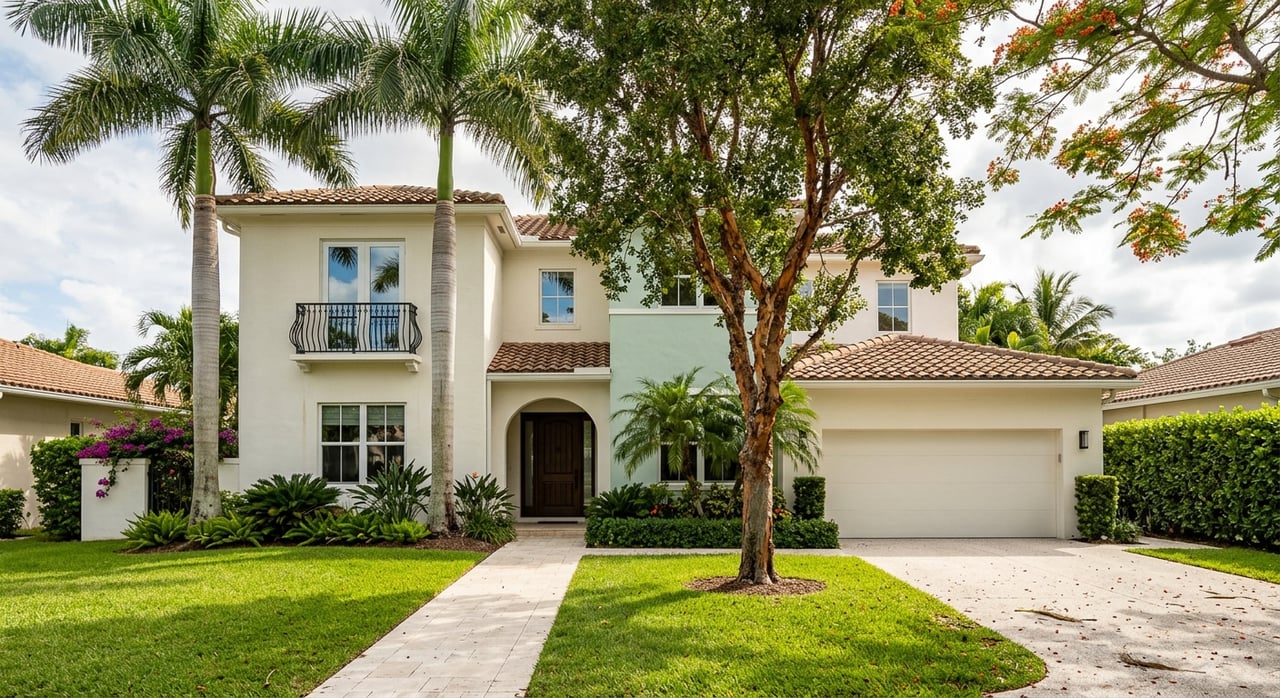
Wondering if Palmetto Bay fits the life you want for your household? If you are comparing South Miami-Dade communities, it can be hard to balance space, budget, commute time, and everyday convenience. This guide will help you understand what Palmetto Bay offers, how it compares with nearby options, and what to weigh before you make a move. Let’s dive in.
Why Palmetto Bay Stands Out
Palmetto Bay is a village on Biscayne Bay that was incorporated in 2002, and it has a strong suburban identity shaped by single-family housing, parks, and community facilities. The village highlights its public and private schools and recreational opportunities as part of its appeal.
From a numbers standpoint, Palmetto Bay covers 8.29 square miles of land and has a high owner-occupied housing rate of 78.2%. Households average 3.00 persons, which helps explain why many buyers looking for more everyday space put it on their shortlist.
For many families, the biggest draw is the combination of established neighborhood patterns and practical amenities. You are not just buying a home here. You are choosing a setting with parks, library access, sports programming, and a layout that leans more residential than intensely urban.
What Daily Life Looks Like
Palmetto Bay offers a park system with a wide range of uses, from active recreation to more relaxed outdoor time. The village describes its parks and facilities as ranging from serene to active, educational to recreational, and relaxing to exercising.
Coral Reef Park spans more than 50 acres and includes open green space, preserve areas, and a canal. Palmetto Bay Park has expanded to 25 acres, while Perrine Wayside offers a smaller dog-oriented family park. Thalatta Estate Park provides direct access to Biscayne Bay, and The Woods is planned as a future passive park.
Beyond green space, the village also includes the Palmetto Bay Library and the Perrine Community House. The Parks & Recreation Department manages events, rentals, and outreach, which can add to the sense of day-to-day community connection.
The village also notes seven recreational facilities, including Charles Deering Estate and Bill Sadowski Park. It publishes official sports and recreation providers for basketball, baseball and softball, soccer, tennis, pickleball, dance, beach volleyball, fitness, and nature programs.
Schools and Activity Access
If school access is part of your home search, Palmetto Bay gives you several options within village boundaries. The official school directory lists Coral Reef Elementary School, Howard Drive Elementary School, Dr. Henry E. Perrine Academy of the Arts, Southwood Middle School, Miami Palmetto Senior High School, and several private schools, including Palmer Trinity School and Westminster Christian School.
That does not mean every home will be equally convenient to every campus or program. Still, the concentration of schools and recreation resources can be helpful if you want to keep daily routines more centralized.
A newer addition may also matter for buyers thinking long term about activities and programming. A new Coral Reef Park Recreation Center and pickleball courts opened on March 7, 2026, adding classes, programming, and private event rental options.
Housing in Palmetto Bay
One of the clearest reasons Palmetto Bay appeals to family buyers is its strong single-family orientation. The village’s future land use categories include several residential types, along with commercial, downtown, mixed-use, parks and recreation, and environmental areas.
In practical terms, lot size and neighborhood feel can vary depending on the zoning district. The R-1 district is intended for single-family homes and requires a minimum net lot size of 7,500 square feet. The E-M estate-modified single-family district requires 15,000 net square feet and at least 68% open space.
That range matters because not every part of Palmetto Bay feels the same. Some areas may offer more traditional suburban lot patterns, while others may provide larger estate-style lots and a more open feel.
Is It Spacious or Dense?
Palmetto Bay often feels suburban, but that feel comes more from land use and lot patterns than from very low density. Census figures show about 2,949.8 people per square mile in Palmetto Bay.
For comparison, Pinecrest is less dense at 2,467.9 people per square mile, while Kendall is much denser at 4,984.2 people per square mile. So if you are trying to picture the lifestyle, Palmetto Bay sits in the middle. It is not rural, but it generally feels less intense than denser suburban areas.
This is useful when you are narrowing your search. If you want a village setting with more room than many denser areas but still want established infrastructure and services, Palmetto Bay may check that box.
How Palmetto Bay Compares on Cost
Budget is usually where the conversation gets real. Palmetto Bay’s median owner-occupied home value is $879,700, which places it between Pinecrest and Kendall.
Pinecrest’s median owner-occupied home value is $1,406,400, while Kendall’s is $567,900. That means Palmetto Bay can be a meaningful comparison point if you want a suburban, park-oriented setting but are trying to balance price against lot size, housing type, and overall lifestyle.
Income figures tell a similar story. Palmetto Bay’s median household income is $142,447, compared with $206,417 in Pinecrest and $87,325 in Kendall.
Here is a simple side-by-side view:
| Area | Median Home Value | Median Household Income | Owner Occupancy | Mean Commute |
|---|---|---|---|---|
| Palmetto Bay | $879,700 | $142,447 | 78.2% | 35.3 minutes |
| Pinecrest | $1,406,400 | $206,417 | 82.8% | 27.6 minutes |
| Kendall | $567,900 | $87,325 | 62.2% | 30.0 minutes |
If you are looking for a middle ground between Pinecrest and Kendall, Palmetto Bay often enters the conversation for exactly that reason.
Commute and Regional Access
A home can be a great fit on paper and still feel challenging if the commute does not work. In Palmetto Bay, the mean travel time to work is 35.3 minutes, compared with 27.6 minutes in Pinecrest and 30.0 minutes in Kendall.
The village’s western boundary is U.S. 1, and that helps with regional access. Miami-Dade’s South Dade TransitWay and Metro Express BRT also provide a north-south connection from Dadeland South Metrorail to the SW 344th Street Park-and-Ride, with service along the corridor through Palmetto Bay.
That combination gives you options, but it does not make this a commute-free location. If work, school, and activities pull your household in different directions, route planning should be part of your search from the start.
Who Palmetto Bay Fits Best
Palmetto Bay can be a strong match if you want a suburban village with established parks, a broad range of recreation, and a housing stock that leans heavily toward single-family living. It may also appeal to you if access to both public and private schools is part of your decision-making process.
It may be especially worth a closer look if you are comparing it with Pinecrest or Kendall and want to find the right balance between cost and lifestyle. Palmetto Bay offers a higher price point than Kendall, but generally lower than Pinecrest, while still delivering strong owner occupancy and a community layout many buyers find appealing.
The key is to be clear about your priorities. If your list includes outdoor space, everyday amenities, and a more residential feel, Palmetto Bay deserves a serious look. If your budget or commute needs are tighter, careful neighborhood-by-neighborhood comparison becomes even more important.
Questions to Ask Before You Buy
Before you decide whether Palmetto Bay is the right move, it helps to ask a few practical questions:
- How much indoor and outdoor space do you want?
- Do you prefer a smaller-lot single-family home or a larger estate-style setting?
- Which daily destinations matter most, such as work, parks, schools, or transit access?
- How does Palmetto Bay compare with Pinecrest or Kendall for your target price point?
- Would access to recreation programs and community facilities improve your day-to-day routine?
When you answer those questions clearly, the right fit often becomes easier to see.
Final Takeaway
Palmetto Bay is best understood as a park-rich, school-accessible suburban village with a strong single-family identity and a price point that falls between Pinecrest and Kendall. It offers established infrastructure, a wide range of recreation, and housing patterns that can feel more spacious than denser nearby areas.
For many buyers, that mix is exactly what makes it appealing. The right move comes down to whether its budget, commute profile, and housing options align with the way you want to live.
If you are weighing Palmetto Bay against other South Miami-Dade communities, working with a local team can help you compare the details that really shape daily life. Team Citron can help you explore neighborhoods, evaluate home options, and find the best fit for your next move.
FAQs
Is Palmetto Bay a good place for buyers who want single-family homes?
- Yes. Palmetto Bay is strongly single-family oriented, and village zoning includes districts with minimum lot sizes such as 7,500 square feet in R-1 and 15,000 square feet in E-M.
How does Palmetto Bay compare with Pinecrest and Kendall on price?
- Palmetto Bay sits between the two based on median owner-occupied home value, at $879,700 compared with $1,406,400 in Pinecrest and $567,900 in Kendall.
What parks and recreation options are available in Palmetto Bay?
- Palmetto Bay has multiple parks and facilities, including Coral Reef Park, Palmetto Bay Park, Perrine Wayside, Thalatta Estate Park, The Woods, the library, and the Perrine Community House, plus sports and recreation programming.
What is the commute like from Palmetto Bay?
- The mean travel time to work is 35.3 minutes, and the area has access to U.S. 1 and the South Dade TransitWay and Metro Express BRT corridor.
Are there schools within Palmetto Bay village boundaries?
- Yes. The official village school directory lists several public and private schools within the village boundaries.
Is Palmetto Bay less dense than Kendall?
- Yes. Palmetto Bay has about 2,949.8 people per square mile, which is much lower than Kendall’s 4,984.2 people per square mile.