Thinking about leaving your current state for Pinecrest? If you are drawn to more space, a quieter residential setting, and easy access to the wider Miami area, Pinecrest often lands high on the shortlist. For out-of-state buyers, the key is knowing what daily life, pricing, and the buying process really look like before you make the move. Let’s dive in.
Why Pinecrest Stands Out
Pinecrest is a village in Miami-Dade County that covers about eight square miles and sits south of Downtown Miami and Miami International Airport. Its western edge runs along Pinecrest Parkway, also known as US-1. The village describes itself as a place of tree-lined streets, large estate lots, and a family-oriented setting.
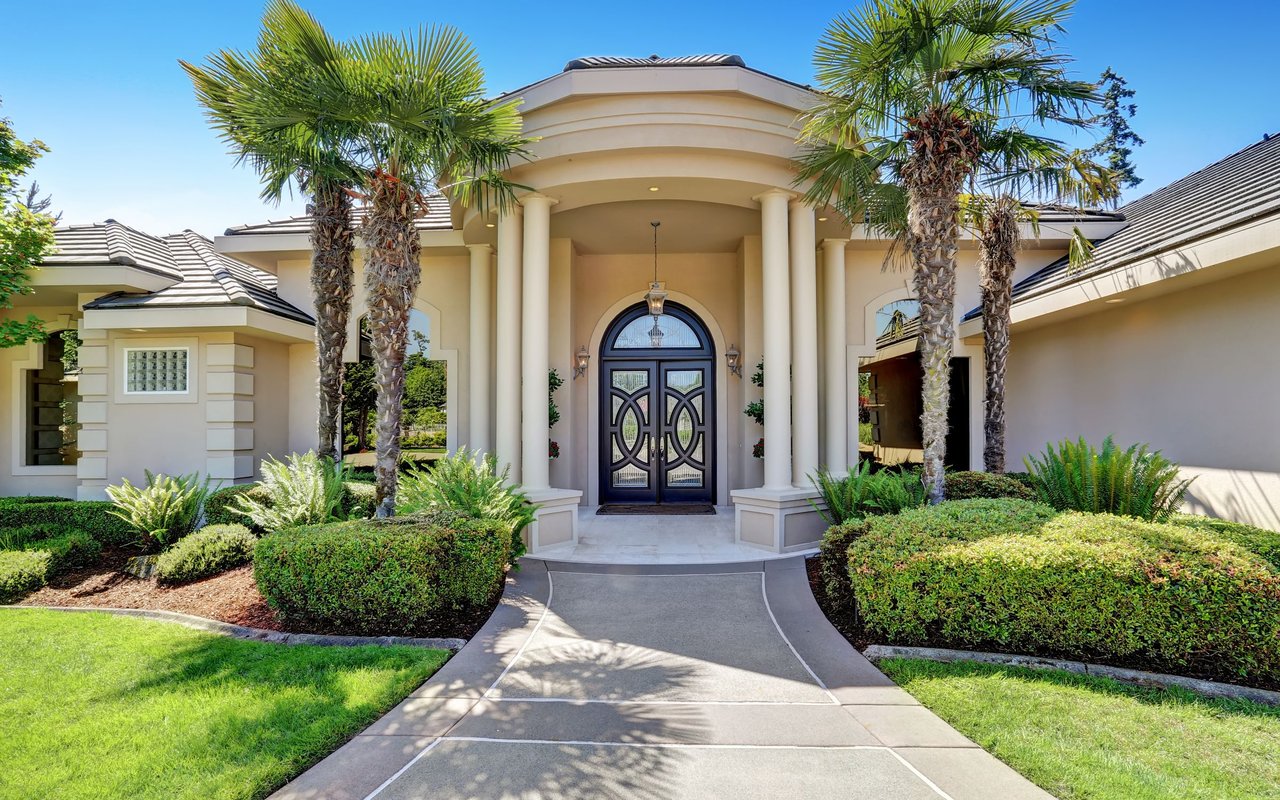
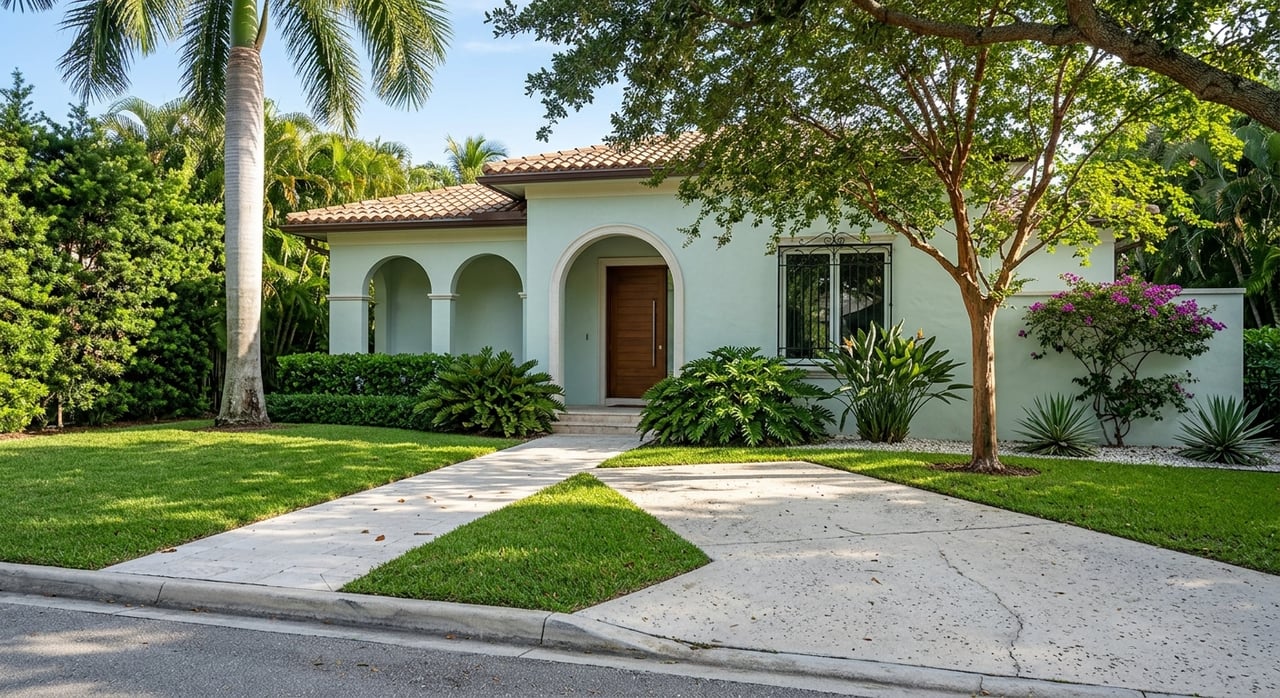
That description lines up with the zoning and housing pattern. Large portions of Pinecrest are devoted to residential single-family and estate districts, which means the area is primarily made up of detached homes rather than condo-heavy development. If you are relocating from a denser city, that difference will likely shape your day-to-day experience right away.
What Housing Looks Like in Pinecrest
If you are expecting a typical suburban price point, Pinecrest may come as a surprise. Recent market snapshots place it firmly in the luxury or upper-tier category, with median and average pricing well above many other parts of South Florida.
At the same time, the numbers show a wide spread between asking prices and sold prices. That usually points to meaningful variation from one property to the next based on lot size, updates, exact location, and whether the home sits in a true estate setting. In Pinecrest, two homes can both be in the same village and still offer very different value.
Expect Price Variability
Current market reports show why it is so important to look beyond a headline price. Redfin reports a median sale price of about $2.01 million, while Zillow reports an average home value of about $2.26 million and a median list price above $3.23 million. Realtor.com reports a median sold price of $1.95 million and a median listing price of $4.99 million.
For you as a buyer, the takeaway is simple: Pinecrest is not a one-price-fits-all market. A home’s condition, lot dimensions, and setting can have a major effect on value. That makes local guidance especially useful when you are comparing properties from out of state.
Buyers May Have Some Negotiating Room
Even in a high-priced market, Pinecrest may offer more flexibility than you expect. Redfin describes the market as not very competitive, notes that multiple offers are rare, and says homes are averaging 73 days on market and selling about 7% below list price.
That does not mean every seller will negotiate the same way. It does mean you should not assume you need to rush into a top-dollar offer on day one. A thoughtful strategy can matter more here than pure speed.
What Daily Life Feels Like
Pinecrest appeals to many relocators because it offers a more residential lifestyle without feeling cut off. You get a village setting with green space and local amenities, while still staying connected to major roads, shopping corridors, and regional transit.
The village also has a strong parks system for a municipality of its size. Pinecrest manages nine parks and more than 150 programs, and Pinecrest Gardens stands out as one of the community’s signature amenities.
Parks and Outdoor Amenities
If outdoor access matters to you, Pinecrest gives you options built into everyday life. Coral Pine Park includes a playground, walking paths, pickleball and tennis courts, and a preserve. Suniland Park and Pawcrest Park add more recreation options, while Red Road Linear Park offers a lighted canal-side path.
Pinecrest Gardens also plays a big role in the local lifestyle. The venue hosts year-round events and a weekly farmers market, which can help new residents feel connected more quickly after a move.
Shopping, Dining, and Errands
Pinecrest is not built around a dense downtown core. Instead, the village says more than 750 businesses line its western boundary along Pinecrest Parkway. In practical terms, that means many of your shopping and dining stops are likely to cluster near the US-1 corridor.
For some buyers, that setup feels convenient and familiar. For others who want a highly walkable urban grid, it may feel more car-dependent than expected. Knowing your lifestyle preferences ahead of time can help you decide if Pinecrest is the right fit.
Getting Around Pinecrest
Most residents will find Pinecrest car-friendly first. US-1 forms the western edge of the village, which gives you a major north-south route for commuting and errands.
That said, Pinecrest is also transit-adjacent. Nearby Dadeland North and Dadeland South stations sit on US-1, and Miami-Dade says the Green Line runs from Palmetto to Dadeland South with service to Downtown Miami and Miami International Airport. Metro Express bus rapid transit from Homestead to Dadeland South is also in service.
Best Fit for Your Lifestyle
Pinecrest tends to work well for buyers who want detached housing, more land, and a suburban village feel in South Florida. It may be a weaker match if your top priority is dense urban walkability or a condo-first lifestyle.
That is not a value judgment. It is simply about matching the housing pattern and transportation setup to the way you want to live.
What Out-of-State Buyers Should Plan For
Relocating from another state adds a layer of logistics, but Florida gives buyers some workable tools. If you are planning your move from afar, the process can often be managed smoothly with the right preparation.
One of the biggest advantages is that you do not always need to be physically present for every major step. Showings and closing coordination can often happen in ways that support a long-distance move.
Remote Tours Are Part of the Process
For many relocation buyers, a live video walkthrough is one of the first steps. Consumer guidance from the National Association of Realtors says a live virtual tour counts as touring a home. The same guidance also notes that written buyer agreements may be required before touring.
That means it is smart to have an early conversation about representation and how showings will work before you start scheduling homes. If you are serious about Pinecrest, a clear touring plan can save time and help you narrow choices faster.
Remote Closings Are Legally Supported in Florida
Florida law supports online notarization, including situations where the signer or witnesses are physically outside the state. The law requires audio-video identity verification and recognizes electronic witnessing standards for records that require witnesses.
The Florida Department of State also confirms that Florida notaries may perform online remote notarizations after meeting the state’s application and training requirements. In real-world terms, that means remote closings are legally supported in Florida, even if the exact workflow can vary by title company or lender.
Property Tax Questions to Ask Early
Taxes are one of the most common pain points for out-of-state buyers because rules often change from one state to another. In Pinecrest, one important distinction is whether the property will be your primary residence.
Miami-Dade says homeowners can apply online for Homestead Exemption, and Florida law ties that benefit to a property that is the owner’s permanent residence. Eligibility is decided by the county property appraiser.
Primary Residence vs. Second Home
If you plan to make your Pinecrest home your permanent residence, you may be able to apply for Homestead Exemption. If you are buying a second home or investment property, you should not assume the same benefit applies.
That distinction matters when you are building your long-term cost estimate. It is one more reason to sort out your occupancy plans early instead of treating taxes as an afterthought.
Smart Tips Before You Buy
Out-of-state moves tend to go better when you treat research and timing as part of the purchase itself. Pinecrest is a premium market, but it is also a market where nuance matters.
Before you make an offer, focus on the details that have the biggest impact on fit and value.
- Compare homes by lot size, condition, and exact setting, not just bedroom count
- Ask how long similar homes have been taking to sell
- Clarify whether you want a primary residence, second home, or investment property
- Plan for live virtual tours if you cannot visit in person right away
- Confirm early whether your closing can be handled remotely based on your lender and title process
- Pay attention to commute patterns along US-1 and access to nearby Dadeland transit stations
- Explore parks and local amenities to understand how the village supports your daily routine
The Bottom Line on Relocating to Pinecrest
Pinecrest offers a distinctive South Florida lifestyle that appeals to many out-of-state buyers looking for space, greenery, and detached homes in a well-established village setting. It combines estate-style residential zoning, a strong park system, access to US-1, nearby rail connections, and a luxury-level housing market.
The tradeoff is that it is not the right match for every buyer. If you want dense walkability or a condo-centered lifestyle, you may prefer a different part of Miami-Dade. But if you want a residential community with room to spread out and a strong sense of place, Pinecrest is absolutely worth a close look.
If you are planning a move and want grounded, local guidance on Pinecrest and the wider South Miami-Dade market, Team Citron is here to help you navigate the process with clarity and care.
FAQs
Can out-of-state buyers tour Pinecrest homes remotely?
- Yes. Consumer guidance from the National Association of Realtors says a live virtual tour counts as touring a home.
Can out-of-state buyers close on a Pinecrest home remotely?
- Yes. Florida law authorizes online notarization and supports remote witnessing standards for eligible closing documents.
Is Pinecrest mostly condos or single-family homes?
- Pinecrest is primarily oriented toward residential single-family and estate districts, so detached homes are the core housing type.
Are Pinecrest homes always priced the same across the village?
- No. Pricing can vary significantly based on lot size, condition, updates, location, and whether a home is in an estate-style setting.
Is Pinecrest a competitive market for buyers?
- Recent market data suggests it is not very competitive overall, with multiple offers reported as rare and some room for negotiation.
Can a second-home buyer in Pinecrest get Homestead Exemption?
- Not automatically. Florida law ties homestead benefits to a property that is your permanent residence, with eligibility determined by the Miami-Dade Property Appraiser.