Trying to choose between South Beach, Mid Beach, and North Beach? You are not alone. Miami Beach can look like one destination from the outside, but once you start comparing blocks, buildings, and daily routines, the differences become much more meaningful. This guide will help you understand how each area lives, moves, and feels so you can focus your search with more confidence. Let’s dive in.
Miami Beach at a glance
Miami Beach is often divided into three main sections. South Beach is south of 23rd Street, Mid Beach runs from 23rd to 63rd Street, and North Beach begins north of 63rd Street.
Those boundaries matter because each section has a distinct rhythm. The city also supports movement across these areas with free trolley loops for South Beach, Middle Beach, Collins Express, and North Beach, plus the Beachwalk that stretches along the oceanfront from South Pointe Park to 87th Street.
South Beach: urban and walk-first
If you picture Miami Beach as lively, dense, and close to everything, you are probably picturing South Beach. This area is the most urban of the three, with a strong concentration of restaurants, grocery stores, parks, museums, hotels, and cultural venues.
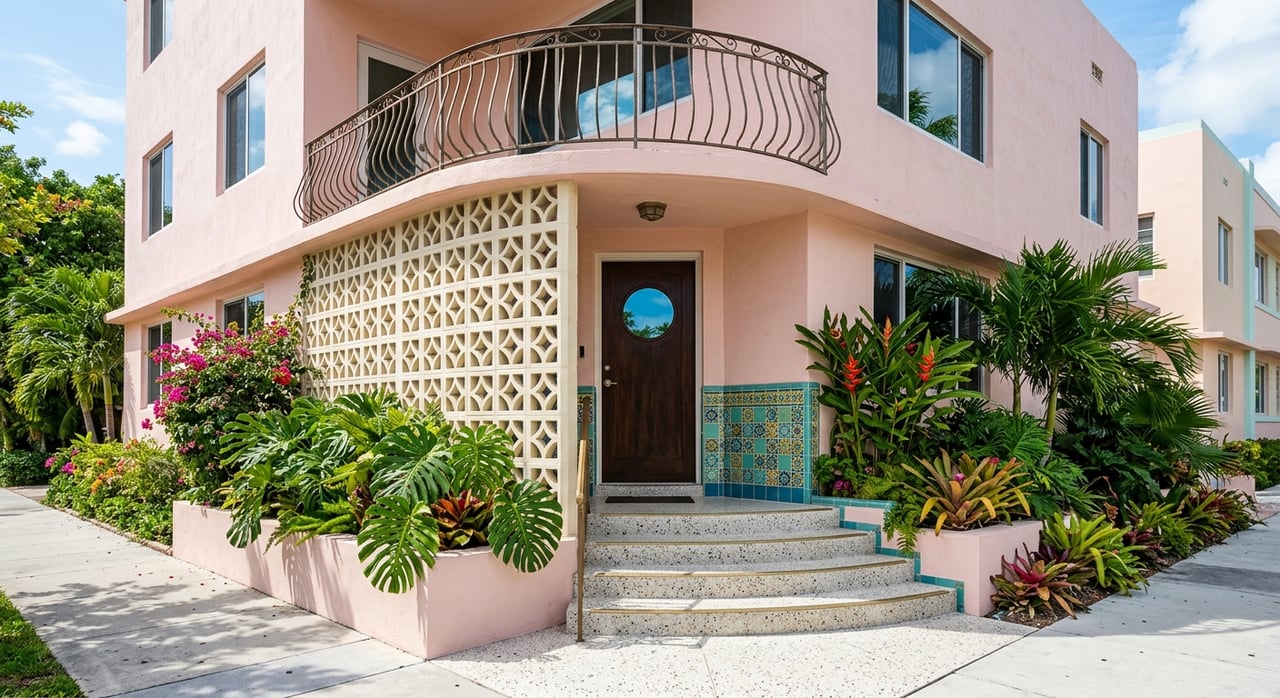
South Beach is also closely tied to the city’s Art Deco identity. Miami Beach describes this district as home to the world’s largest collection of Art Deco structures, which helps explain why the area feels visually iconic and deeply connected to the city’s history.
For daily life, South Beach tends to suit buyers and renters who want convenience nearby. Walk Score snapshots in the core blocks around 15th Street, Michigan Avenue, Collins Avenue, and 20th Street land in the 90s, which points to a true walk-heavy lifestyle in many central areas.
Who South Beach may fit best
South Beach can be a strong fit if you want:
- A more walkable daily routine
- Condo-heavy housing options
- Quick access to dining, parks, and culture
- A more energetic, destination-driven setting
- An easier car-light lifestyle in core blocks
That said, South Beach is not one single market. Realtor.com shows a broad range within the area, from more approachable condo options in some pockets to premium pricing in others.
South Beach market snapshot
As of June 2026, South Beach has a median listing price of $499,000 and a median rent of $3,500 per month. Days on market are broadly in line with the rest of Miami Beach, so your decision here is often more about lifestyle fit than speed alone.
Mid Beach: balanced and mixed
Mid Beach sits between South Beach and North Beach both geographically and stylistically. If you want a beachfront setting but prefer a broader mix of buildings, submarkets, and day-to-day experiences, this area often lands in the middle in a good way.
The city’s architectural history ties much of Mid Beach to Miami Modern, or MiMo, with postwar resort and residential development helping shape the area. That gives Mid Beach a different design identity from South Beach, especially along Collins Avenue.
From a lifestyle perspective, Mid Beach is best understood as the most mixed of the three. That means you may find a combination of residential pockets, beachfront buildings, commercial corridors, and a wider range of price points depending on the exact location.
Where Mid Beach stands out
Mid Beach may appeal to you if you want:
- A blend of beachfront living and neighborhood function
- Strong walkability in select corridors
- Access to both residential and resort-style environments
- More variety by block and building
- A central position within Miami Beach
The 41st Street corridor stands out here. Walk Score data shows very high walkability around Collins Avenue and West 41st Street, and the city’s Middle Beach trolley loop serves the commercial corridor along with civic destinations like the library and botanical garden.
Mid Beach market snapshot
As of June 2026, Mid Beach has a median listing price of $796,000 and a median rent of $4,250 per month. On the current market snapshot, that makes it the highest broad median listing price of the three sections.
That higher median does not mean every part of Mid Beach is the same. Realtor.com shows meaningful variation across submarkets, which is one reason this area often rewards a more tailored search.
North Beach: quieter and more residential
If your idea of Miami Beach leans more relaxed and neighborhood-driven, North Beach may deserve a close look. Compared with South Beach and much of Mid Beach, this section is generally seen as the most residential.
City materials note that North Beach has had more limited housing stock and redevelopment than other parts of Miami Beach. The area is also associated with MiMo architecture and includes several neighborhood pockets around places like Normandy Drive and 71st Street.
North Beach can feel less intense than the southern sections of the city. That often appeals to buyers who want Miami Beach access while prioritizing a calmer day-to-day environment.
Why buyers consider North Beach
North Beach may be worth exploring if you want:
- A more residential setting
- A quieter neighborhood feel
- Potentially better value relative to the rest of Miami Beach
- MiMo character and a less tourism-centered atmosphere
- Space to focus on building and block-level differences
Walkability here is more uneven. Redfin reports an overall Walk Score of 19 for North Beach, while some locations near 63rd Street score much higher, which shows how much this area can vary depending on the exact address.
North Beach market snapshot
As of June 2026, North Beach has a median listing price of $675,000 and a median rent of $2,800 per month. Realtor.com also shows the lowest price per square foot of the three at $639, which supports its reputation as a more value-oriented entry point.
That does not automatically make North Beach the right fit for every buyer. It simply means you may be able to approach Miami Beach from a different price and lifestyle angle here.
Comparing South, Mid, and North Beach
If you want the quickest shorthand, it looks like this:
- South Beach: most urban and walk-first
- Mid Beach: most mixed
- North Beach: most residential
That summary is useful, but it is still just a starting point. Miami Beach changes quickly from one block to the next, and building style, parking, views, amenities, and street activity can all shape your experience.
| Area | General feel | Walkability | Median listing price | Median rent |
|---|---|---|---|---|
| South Beach | Urban, active, destination-driven | Strongest in core blocks | $499,000 | $3,500/month |
| Mid Beach | Mixed, central, varied | Strong in select corridors | $796,000 | $4,250/month |
| North Beach | Residential, calmer, neighborhood-driven | More variable overall | $675,000 | $2,800/month |
How to choose the right fit
The best area for you depends on how you want to live, not just what shows up in a search filter. If you want to walk to more of your everyday stops and enjoy a denser setting, South Beach may feel most natural.
If you want a middle-ground option with a wider mix of building types and lifestyles, Mid Beach often makes sense. If you want a more residential feel and a value-oriented way into Miami Beach, North Beach may move to the top of your list.
A smart way to compare these areas is to focus on a few real-life questions:
- How often do you want to drive?
- Do you prefer a busier or quieter daily setting?
- Are you targeting a condo, a rental, or a more neighborhood-focused property search?
- How important is being close to a commercial corridor?
- Are you optimizing more for lifestyle, price point, or a blend of both?
Why block-by-block matters in Miami Beach
In Miami Beach, broad labels only tell part of the story. A highly walkable South Beach condo, a quieter Mid Beach residential pocket, and a well-located North Beach property near active corridors can each offer very different day-to-day experiences.
That is why local guidance matters so much here. The right match usually comes from looking beyond the neighborhood name and into the building, street, access, and rhythm of the immediate area.
If you are weighing where to live in Miami Beach, Team Citron can help you compare your options with a clear, tailored strategy based on your goals, budget, and lifestyle. Connect with Team Citron to start your search with a trusted local team.
FAQs
What is the difference between South Beach, Mid Beach, and North Beach in Miami Beach?
- South Beach is south of 23rd Street and is generally the most urban and walkable, Mid Beach runs from 23rd to 63rd Street and offers the most mixed feel, and North Beach is north of 63rd Street and is generally the most residential.
Which part of Miami Beach is the most walkable for daily life?
- South Beach has the strongest everyday walking profile in its core blocks, while Mid Beach also has very walkable areas near Collins Avenue and 41st Street.
Which part of Miami Beach is usually the most expensive?
- Based on June 2026 median listing prices from Realtor.com, Mid Beach has the highest broad median listing price at $796,000.
Which part of Miami Beach may offer better value?
- North Beach is often seen as a more value-oriented option because it has a median listing price of $675,000 and the lowest reported price per square foot among the three areas.
Is South Beach only for buyers who want a condo lifestyle?
- South Beach is widely known for its condo and rental inventory, so it often appeals to people looking for a more urban, convenience-focused living experience.
How long are homes taking to sell in Miami Beach?
- As of June 2026, Miami Beach is considered a buyer’s market, with homes selling in a median of 102 days citywide and neighborhood ranges that are broadly similar across South, Mid, and North Beach.